
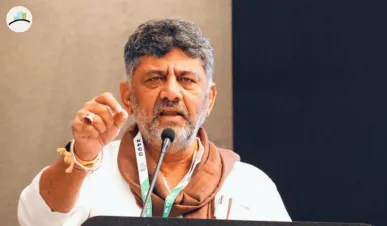
In a dramatic turn of events, senior Congress leader Ramalinga Reddy resigned from his ministerial post in Karnataka just 48 hours after being sworn in, triggering shock and speculation across political circles. While the resignation points to factional tension and portfolio dissatisfaction within the newly formed DK Shivakumar cabinet, Reddy clarified emphatically that he remains a loyal Congress party member, making it a resignation from office not the party.
What Happened: Minister Steps Down Immediately
Ramalinga Reddy, a veteran eight-time MLA from Bengaluru’s BTM Layout, walked out of the cabinet after being assigned the Major and Medium Irrigation portfolio, which he reportedly felt did not reflect his seniority and past experience.
‘Humiliated Time And Again’: Ramalinga Reddy Resigns From Karnataka Cabinet https://t.co/jvORJddUiX via @Live India #RamalingaReddy #DKShivakumar #Congress #KarnatakaPolitics #KarnatakaCabinet #PortfolioAllocation #BengaluruDevelopmentDepartment #KrishnaByreGowda #CongressLeader…
— LIVE INDIA (@LIVEINDIA_En) June 5, 2026
Addressing the media, Reddy stressed: “I am still in the Congress party. My resignation is only from the ministerial post.” This statement underscores that while the political shock was real, it is not a defection or rebellion, just a strong message about internal party negotiations.
DK Shivakumar Responds: Calm Amid Chaos
Chief Minister DK Shivakumar moved quickly to contain the situation, describing Reddy as a long-time friend and emphasizing that the matter can be resolved through dialogue. Analysts suggest Shivakumar’s damage-control strategy is intended to maintain party unity ahead of upcoming challenges, signaling that the cabinet turbulence, while shocking, is manageable within party lines.
Political Implications: Cabinet Turbulence in Congress
Reddy’s resignation highlights the sensitive balancing act within the Karnataka Congress leadership:
- Senior leaders jockeying for powerful ministries can create friction.
- Even short-term exits from office can spark media speculation and fuel opposition narratives.
- The situation may serve as a warning for internal negotiations over future portfolios.
While Reddy remains in the party, the incident has become a focal point for discussions about loyalty, influence, and leadership strategy.
MORE ARTICLES:
Background: Cabinet Formation
The cabinet was sworn in on June 3, 2026, with DK Shivakumar as Chief Minister following Siddaramaiah’s resignation. Thirteen ministers took oaths, and portfolio allocation sparked disagreements almost immediately, as seen in Reddy’s resignation.
Shivakumar retained critical departments like finance and personnel, while other senior leaders were assigned varied portfolios — some accepting, others expressing dissatisfaction privately or publicly.
What This Means for Congress and Karnataka Politics
The resignation is symbolic of the challenges Shivakumar faces in consolidating his leadership: keeping senior leaders satisfied while projecting stability and decisiveness to the public. Observers say Reddy’s exit, while short-lived in tenure, could influence future portfolio allocations and party negotiations.



