
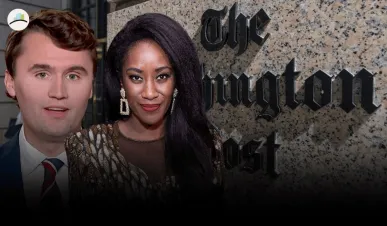
Karen Attiah Fired by Washington Post: Is Free Speech at Risk? 📰🔥
In the world of journalism, where the lines between personal views and professional responsibilities often blur, how far can an opinion columnist go before it crosses the line? Karen Attiah, a prominent columnist for the Washington Post, has been fired after a controversial social media post about conservative activist Charlie Kirk. Her firing has sparked widespread debate about free speech, editorial independence, and the role of media in shaping public discourse.
This is journalist Karen Attiah, the only Black opinion columnist at the Washington Post. She was just fired for sharing a statement made by Charlie Kirk insulting Black women.
— Protect Kamala Harris ✊ (@DisavowTrump20) September 15, 2025
RETWEET if you stand with @KarenAttiah! pic.twitter.com/VJdQtakaOI
MORE ARTICLES:
What Happened?
On September 15, 2025, Karen Attiah revealed in a Substack post that she had been fired by The Washington Post following a social media outburst. The incident revolves around Attiah's comments on Bluesky, a social media platform, in which she criticized the public mourning over Charlie Kirk’s tragic death.
Attiah expressed her frustration with what she saw as the country’s overreaction to Kirk’s passing, especially given his controversial history. In her posts, she argued that the media's response to his death reflected America’s persistent racial biases and a tolerance for political violence.
While many supported her right to express her opinions, the Washington Post did not agree. They described her posts as “gross misconduct,” stating they endangered the safety of colleagues—a claim that Attiah has firmly denied.
The Bigger Picture: Why This Matters
The dismissal of a high-profile journalist like Karen Attiah raises crucial questions about the limits of free speech in media. Was her firing a justified reaction to controversial statements, or does it point to a broader issue of censorship in media outlets?
-
Editorial Shifts: Attiah’s firing comes at a time when The Washington Post is undergoing editorial changes, especially under the leadership of its new opinion editor, Adam O’Neal. Some sources claim that O’Neal has been streamlining the editorial staff, pushing out columnists who don’t align with the newspaper’s shifting editorial stance.
-
A Lesson in Accountability?: In today’s polarized climate, where every opinion can ignite heated debates, news outlets are increasingly held accountable for their employees' public statements. The case of Karen Attiah highlights how personal views can conflict with professional conduct in the media industry.
-
Social Media Impact: Attiah’s firing raises questions about how much control social media platforms should have over what journalists can and cannot say online. With more reporters using platforms like Bluesky to express personal views, the line between personal and professional becomes increasingly blurred.
Karen Attiah’s Legacy and Future
Attiah’s dismissal is a major turning point in her career, but it doesn’t seem to be slowing her down. Known for her hard-hitting commentary and thoughtful coverage of race and culture, Attiah has made an impact beyond just her work at The Washington Post. She was also a founding editor of the Global Opinions section and hosted the popular Karen Attiah Podcast.
In her Substack post, Attiah made it clear that she’s not stepping back. "My voice will not be silenced," she declared, suggesting that her career is far from over.
As a journalist with a passionate following, it’s likely we’ll continue to see Attiah’s opinions and commentary shaping public conversations, whether in traditional media or independent platforms.
The Implications for the Media Industry 📊
Attiah’s firing isn’t just about one individual’s controversial statements—it’s a reflection of the state of media today. The rise of independent journalism and social media platforms has shifted the power dynamics, and the debate around this issue is far from over.
-
For the Media: Are publications like The Washington Post becoming too cautious? Are they prioritizing advertiser relations or public image over the freedom of expression?
-
For Journalists: The case has sparked concerns about the freedom of journalists to speak freely without fear of losing their jobs. As social media becomes an increasingly powerful tool for both personal and professional expression, will more journalists face consequences for their views outside the newsroom?
-
For the Public: Karen Attiah’s firing brings to light a larger issue in the journalistic community: Is there still room for diverse opinions? Or is the space shrinking under growing pressures from political and corporate entities?
What’s Next for Karen Attiah?
While Attiah’s future with The Washington Post is over, it’s clear she has no plans to stop speaking her mind. Given her reputation and audience, it's likely she will continue to make waves in the media industry.
Attiah’s story serves as both a warning and a challenge to both journalists and media organizations: in the age of social media, how far can you push the boundaries of free speech without facing professional consequences?
This controversy involving Karen Attiah will undoubtedly continue to fuel discussions on media ethics, free speech, and the evolving relationship between journalists and their employers. Whether or not you agree with her opinions, her dismissal highlights the complexities of modern journalism and media accountability.



