
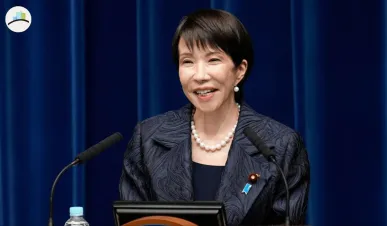
In an unexpected move, Japan's Prime Minister Sanae Takaichi has announced plans to call a snap election for the lower house of parliament. This surprise decision, set to occur in early February, has sparked a wave of discussions both within Japan and globally. Here’s what you need to know about the situation and what the Japanese people should be alert about in the coming weeks.
What Is a Snap Election?
A snap election is a sudden, unscheduled vote, often called by the sitting government to test its political support or to secure a stronger mandate. In this case, Prime Minister Takaichi has decided to dissolve the lower house of parliament much earlier than originally planned. This means all 465 seats will be up for grabs, and voters will have a chance to weigh in on critical issues that could shape Japan's future.
Why Is Prime Minister Takaichi Calling a Snap Election?
The primary reason behind this move is to solidify Takaichi’s political standing and secure a stronger majority in the parliament. Her current ruling party, the Liberal Democratic Party (LDP), has been facing challenges in pushing through its policies due to a lack of solid support in the lower house. By calling for an early election, Takaichi aims to gain a stronger mandate to enact her economic reforms, tax policies, and public spending plans.
Furthermore, Takaichi's approval ratings are relatively strong at the moment, making it a strategic time for her to capitalize on this support before any potential economic downturn or political challenges arise.
What Does This Mean for the Japanese People?
For the people of Japan, this snap election could be a game-changer. Here are the key points to watch out for:
1. Economic Policy Shifts
One of the central issues in this election will likely be Japan’s economy. Takaichi has expressed intentions to focus on economic growth, including tax cuts and public spending. However, the opposition parties are likely to challenge these moves, and the election results could determine whether these reforms will proceed as planned.
How does Prime Minister Takaichi's timing compare with other snap elections in the postwar era?https://t.co/ERyv1ieVr6
— Nippon.com (@nippon_en) January 19, 2026
-
Tax Cuts: One expected change is a potential cut in the sales tax, which has been a hotly debated topic in recent years. A new mandate for Takaichi could bring faster reforms in this area.
-
Market Reactions: The markets are already reacting to the election speculation. Stock prices have shown fluctuations, and the yen has weakened in anticipation of this shift. For regular citizens, this could mean rising import costs and price hikes for everyday goods.
2. Government Stability and Policy Continuity
Japan’s national budget and important legislation may face delays if the government remains unstable after the snap election. The decision to call an early election could disrupt ongoing government work and delay key legislative actions on infrastructure, healthcare, and education.
MORE ARTICLES:
3. Voter Participation
The outcome of this election could either strengthen Takaichi's position or weaken it. If the voters show support for her policies, she will have a stronger political mandate to push forward with her vision. On the other hand, a poor showing could cause her to lose political ground, potentially leading to a restructuring of the government or even new leadership in the future.
What Should the People of Japan Be Careful and Alert About?
As Japan heads into this snap election, there are several things citizens should keep in mind:
1. Election Fatigue
The quick turnaround between the announcement of the election and its actual date may lead to voter fatigue. Many citizens may feel rushed to make their decision without adequate time to fully consider the implications of the new policies being proposed.
2. Impact on Daily Life
While the election itself may not directly affect daily life for most people, the post-election results could have lasting impacts. Changes to taxes, sales prices, and economic support programs will influence everyday expenses and job prospects.
3. Political Uncertainty
A snap election can often lead to political uncertainty. Even if Takaichi wins, there’s no guarantee that her policies will fully pass without opposition challenges. The political landscape could shift quickly, leading to new leadership dynamics.
4. Government Delays
If the election causes instability, critical decisions, such as the national budget, could be delayed, meaning important programs (like healthcare, infrastructure, and education) could face interruptions or reduced funding.
How This Snap Election Could Shape Japan’s Future
Japan’s snap election could have profound consequences on its political landscape. If Takaichi wins a strong majority, we may see an accelerated push for economic reforms, including tax cuts and public spending initiatives. However, should the election result in a divided or weakened government, policy delays and impasses could follow.
It’s essential for the Japanese people to stay engaged in the political process, keeping a close eye on the issues and policies that will affect their daily lives. The coming weeks will likely shape the future of Japan’s government and economy.
Conclusion
Japan’s snap election is a crucial moment in the country’s political timeline. For Prime Minister Takaichi, it’s an opportunity to secure political power and push forward her economic reforms. For the people of Japan, it’s a time to stay alert to the potential changes that could shape their country’s future. Voter turnout, policy debates, and market reactions will be key indicators of what’s to come. Whether this election leads to stability or political upheaval remains to be seen.
As the election draws near, the world will be watching closely to see how Japan’s political landscape unfolds.



