
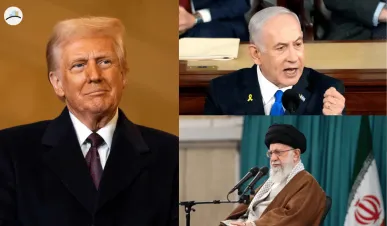
A major diplomatic breakthrough between the United States and Iran has captured global attention, raising hopes for stability in a region that has faced months of military tensions, economic uncertainty, and growing security concerns.
Officials from both countries have indicated that a framework peace agreement has been reached, with a formal signing ceremony expected to take place in Geneva on June 19. The proposed agreement is expected to include a halt to military operations, renewed access to key international shipping routes, and a roadmap for future negotiations on long-standing issues between the two nations.
President Trump says a historic peace agreement is set to be signed Friday in Switzerland after more than 100 days of war. The deal is expected to reopen the Strait of Hormuz, allowing oil to flow again and, according to Trump, helping bring peace and security to the region.… pic.twitter.com/EUh0rSSyeV
— Breaking911 (@Breaking911) June 15, 2026
The development has quickly become one of the most discussed international stories of the year, attracting attention from governments, financial markets, and energy analysts worldwide.
What Is the US-Iran Peace Deal?
The agreement follows a period of heightened tensions that brought the United States and Iran dangerously close to a broader regional conflict. Military actions, diplomatic disputes, and concerns over regional security contributed to instability across the Middle East, affecting global markets and international trade.
According to preliminary details, both sides have agreed to stop military operations and begin a structured negotiation process aimed at addressing unresolved disputes. The framework is designed to reduce immediate tensions while creating space for longer-term diplomatic discussions.
Leaders involved in the talks have described the agreement as an important first step toward rebuilding communication channels and preventing future escalation.
MORE ARTICLES:
Why the Agreement Matters
The significance of the deal extends well beyond the United States and Iran. The Middle East remains one of the world's most strategically important regions, particularly because of its role in global energy production and international trade.
For months, concerns about potential disruptions to shipping routes and energy supplies created uncertainty in global markets. News of a possible peace agreement has improved investor confidence and eased fears of a prolonged regional conflict.
Economists believe that a reduction in geopolitical tensions could help stabilize energy prices and support broader economic growth around the world.
Pakistan's Role in the Negotiations
Pakistan has emerged as an important diplomatic player in the peace process. Government officials have confirmed their involvement in facilitating discussions and helping create conditions for dialogue between the two sides.
Pakistani leaders have welcomed the agreement and described it as a positive step toward regional stability. Their participation highlights the growing role of regional diplomacy in resolving complex international disputes.
Analysts note that cooperation among multiple countries helped create momentum for negotiations and encouraged both sides to pursue diplomatic solutions rather than military confrontation.
Key Issues Still to Be Resolved
While the agreement has generated optimism, several important questions remain unanswered.
One of the most significant issues involves Iran's nuclear activities and the future of international oversight. Discussions regarding sanctions, monitoring mechanisms, and broader security arrangements are expected to continue during future negotiations.
Regional security concerns also remain on the agenda. Policymakers will need to address a range of issues involving neighboring countries and regional alliances to ensure that the peace process remains on track.
Experts caution that reaching an agreement is only the beginning. Successful implementation will require cooperation, transparency, and continued political commitment from all parties involved.
Global Response to the Announcement
Governments and international organizations have broadly welcomed news of the proposed agreement. Many leaders view the development as an opportunity to reduce tensions and encourage greater stability across the Middle East.
Diplomats have emphasized the importance of maintaining dialogue and avoiding actions that could undermine the progress achieved through negotiations.
Financial markets also reacted positively to reports of the agreement, reflecting expectations that reduced geopolitical risk could benefit global economic conditions.
What Happens Next?
Attention is now focused on the planned signing ceremony in Geneva. If the agreement is finalized as expected, negotiators will enter a new phase of discussions aimed at resolving the remaining challenges.
The coming weeks will be critical in determining whether the framework evolves into a lasting peace agreement or serves as a temporary pause in tensions.
For now, the Iran deal news represents a significant diplomatic achievement and a potential turning point in relations between Washington and Tehran. The outcome of future negotiations could shape regional stability, global energy markets, and international diplomacy for years to come.
Conclusion
The emerging US-Iran peace agreement marks a potentially historic moment in Middle Eastern diplomacy. After months of uncertainty and rising tensions, both nations appear willing to pursue negotiation over confrontation. While substantial challenges remain, the agreement has created a pathway toward dialogue and conflict reduction.
As world leaders, investors, and citizens continue to monitor developments, the success of this peace initiative will depend on sustained diplomatic engagement and a shared commitment to long-term stability. The coming days may prove decisive in determining whether this agreement becomes a lasting foundation for peace in the region.



