
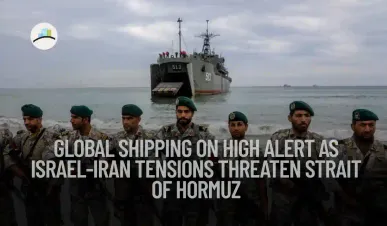
the strait of hormuz is a critical chokepoint for global energy — about 21% of the world’s oil and a third of all liquefied natural gas transit through it. with israel and iran escalating military actions, freight companies are adjusting routes and increasing security measures, risking supply chain disruptions and higher operational costs.
Shift in shipping strategy
-
major tanker firm frontline has halted new charters in the gulf and is evacuating existing vessels under naval escort.
-
governments in greece and the uk have advised merchant fleets to avoid transit through the gulf of aden and red sea and require voyage logs in the strait of hormuz.
-
many shippers are rerouting via the cape of good hope to bypass risky areas, though longer transit times and port delays are increasing.
More Articles:
Insurance, security, and cost impacts
maritime insurance premiums have surged, with red sea coverage up around 20%. many shipowners are also hiring private security teams, adding to operating expenses. increased service charges and extended routes are translating into higher shipping rates and eventual consumer cost hikes.
#Iran’s armed forces have declared no ship is allowed to cross the Gulf Strait of Hormuz until further notice
— Anand Abhirup 📌 🧡 🦩 (@SanskariGuruji) June 14, 2025
However traffic is still being spotted there.
One of the most critical maritime choke points of trade on Earth. This could impact 1/3rd of World's Oil and NG Trade… pic.twitter.com/00EBZi3XZ8
Broader economic fallout
-
oil prices jumped over 7% in response to the crisis, before settling at a roughly 6% daily gain.
-
container rates are rising as shipping schedules shift and key ports become congested.
-
analysts warn that rising commodity prices and transport costs could trigger stagflation, putting pressure on central banks and altering monetary policies.
long-term maritime implications
-
persistent tensions could shift global shipping patterns away from persian gulf hubs toward safer western or african routes.
-
european fleets may request expanded naval escorts like emasoh to protect tankers and cargo vessels.
-
despite iran’s capability for area-denial tactics via mines and anti-ship missiles, a full closure of the strait is unlikely due to its reliance on oil exports.



