
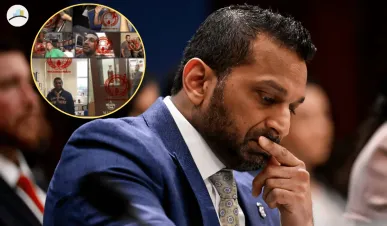
In a major cyberattack, FBI Director Kash Patel became the target of a breach that exposed his private emails and photos. This hack, claimed by a group connected to Iran, has raised serious concerns about security and privacy. The group, calling itself the Handala Hack Team, broke into Patel’s personal email account and leaked a range of content online. Honestly, the news has shocked a lot of people, especially since it involves a top figure in the U.S. government. It’s not just any ordinary email breach — this one involves a high-profile target, and the details that have come out are pretty shocking.
Iran-linked hackers claim breach of FBI Director Kash Patel’s email; release documents, photos online
— WION (@WIONews) March 27, 2026
READ: https://t.co/DSrc6MLwrEhttps://t.co/DSrc6MLwrE
What Was Leaked?
So, what exactly got exposed? It seems that the Handala Hack Team got hold of hundreds of Patel’s personal emails, including some from years ago. They also shared some photos of Patel in casual settings, like smoking cigars or taking selfies. And if that wasn’t enough, they also leaked documents, such as his resume, that have nothing to do with his official work in the FBI. It's a strange mix of personal and semi-professional stuff, nothing that seems critical to national security, but still, it’s pretty uncomfortable for someone in Patel's position to have their private life spread out like this.
Other Stories-
Why Does This Matter?
Honestly, this hack is a big deal because of who Patel is. He’s not just anyone — he’s the FBI Director. His job puts him at the very heart of U.S. national security. So, while the leaked content seems personal and doesn’t involve government work, the breach shows that even top U.S. officials aren’t safe from hackers. It raises a lot of questions about how secure personal data really is, especially for people in positions like Patel’s.
Also, there’s this bigger picture of cyberattacks that can be used as a tool in geopolitical conflict. This isn’t the first time a group linked to Iran has targeted U.S. officials or institutions. Cyberattacks like this are becoming more common, and it’s honestly making people worried about how far they could go in the future.
What’s Next?
The FBI has confirmed the hack and said they’re looking into it. They claim that no classified government data was leaked, so that’s a bit of a relief, I guess. But the whole situation is still pretty bad for Patel. He’s now been publicly exposed in a way that most people wouldn’t want — and that can make people feel vulnerable. The fact that the material leaked wasn’t official FBI data doesn’t make it any less of an issue for him personally.
And with this being a cyberattack from a group with ties to Iran, it's not just a personal breach. It’s part of a larger cyberwarfare strategy. It’s a bit scary to think about how these kinds of attacks could impact other top officials or even the country’s cybersecurity at large in the future.
How Are People Reacting?
People are honestly pretty freaked out. The response has been all over the place. Some people are shocked by the breach because it feels like no one — not even the highest levels of the government — are safe from these kinds of cyberattacks. But there’s also some relief, as the leaked material doesn't seem to be classified. Still, the damage has been done. People are raising questions about whether enough is being done to protect sensitive personal and professional information from hackers.
What Should We Take Away from This?
This attack is a reminder of how vulnerable we all are to cyber threats. If someone as high-profile as the FBI Director can have their personal emails hacked, it really makes you think about how safe your own information is. For the government, this should be a wake-up call about improving security, especially when it comes to the personal accounts of those in powerful positions. For the rest of us, it’s a warning that we need to take our own cybersecurity more seriously.
Even though the hack didn’t expose anything that seems to affect U.S. security directly, it’s still a big deal. The breach of personal privacy is just as dangerous in its own way. And for Kash Patel, it's an uncomfortable situation that no one would want to go through — having their private life made public in this way.



