
Trump’s Court Win Over California Guard Isn’t Just About Troops—It’s About Power
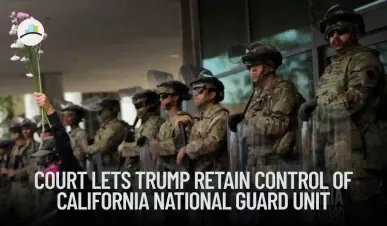
In a decision that might fly under the radar for most Americans but could have huge ripple effects, a U.S. appeals court just gave former President Donald Trump the green light to stay in control of California’s National Guard. At first glance, it sounds like a legal technicality. But beneath it is a much bigger issue: how much control should the federal government have over state forces—and what happens when state leaders don’t agree?
California Governor Gavin Newsom had tried to wrest back authority, arguing Trump was overstepping and using state troops for politically charged federal operations. But the court sided with Trump. The result? One state, two bosses—and a lot of uneasy questions about the future of state rights in a deeply divided country.
What’s Really Going On Here?
This all started earlier this year when Trump ordered California National Guard troops to support immigration enforcement and what his team called "public order" efforts. Newsom pushed back hard, accusing Trump of politicizing the Guard. He filed a lawsuit, hoping the courts would stop what he saw as federal overreach.
But the legal system saw it differently. Under current law, the president can take control of a state’s National Guard if national security is involved. Trump’s lawyers argued that immigration enforcement and public safety qualified—and the court agreed.
The key takeaway? The line between state and federal authority just got blurrier.
Why This Ruling Could Have a Bigger Impact Than People Think
What makes this ruling so important is the precedent it sets. If a president can take control of a state’s military resources—especially in a state where the governor disagrees—what’s to stop future administrations from doing the same in even more controversial ways?
Think about it: Could a future president deploy troops to stop a labor strike? Control crowds at a protest they don’t like? Step into a state’s internal affairs under the vague excuse of “public order”? The legal door just opened wider.
There’s a quiet fear growing among state governors, even those not speaking out yet: the federal government may now have more leeway than ever to take command—without the state’s blessing.
A Look Back: We’ve Seen Versions of This Before
Historically, the federal government has only taken control of the National Guard during moments of serious national crises—like when President Eisenhower sent troops to Arkansas in 1957 to enforce school desegregation. But that was to protect civil rights and uphold federal law.
What Trump is doing feels different. This isn’t about a national emergency or civil rights. Critics say it’s about political optics, especially as Trump continues to flex his authority post-presidency and influence national politics ahead of 2026.
That shift—from principle to politics—is what’s making legal experts uneasy.
What Could Happen Next?
-
More State-Federal Tension: Governors—especially from blue states—may become more cautious when cooperating with federal forces. Some may even try to pass local laws to limit future federal access to state troops.
-
Budget Battles Ahead: If states refuse to follow federal orders, they risk losing critical funding tied to National Guard operations. That could mean fewer resources for natural disasters, emergencies, or local deployments.
-
A Bigger Legal Fight Coming: This ruling may not be the end of the road. There’s talk that it could go to the Supreme Court, especially if more states get involved.
A federal judge ruled Thursday that President Trump illegally federalized the California National Guard in response to the Los Angeles protests and ordered the force be returned to Democratic Gov. Gavin Newsom’s control https://t.co/hoDiF4n9K0 via @WSJ
— Magdalis almodovar (@Magdalisalmodo2) June 20, 2025
So, Why Does This Matter?
Because this isn’t just about California or Trump—it’s about the future of American federalism.
Who should control state troops? What limits should presidents have when calling them into action? And what protections do governors have when they disagree with Washington?
This ruling just made those questions a lot more urgent. In a time when everything—from public health to protest management—is becoming politicized, the last thing America needs is confusion over who controls the troops on our own streets.
Hidden Risks People Aren’t Talking About Yet
-
Public Confusion: Imagine National Guard units in California responding to orders from Washington while the governor says they shouldn’t be there. That’s a recipe for public distrust—or worse, unrest.
-
Militarization of Politics: If federal power over local troops becomes a political tool, future presidents—on either side—could use it to enforce their agenda more aggressively, even in states that strongly disagree.
-
Fragmenting Trust in Government: As the line between national and local authority blurs, so does trust in institutions. That could lead to more legal battles, more state pushback, and a much more divided country.
Final Thought
This ruling might not get the front-page treatment—but it’s a big deal. It changes the balance between state and federal power in ways that will echo for years to come. It’s about control, yes—but also about trust, autonomy, and the future of U.S. democracy.
More Article:



