
What Just Happened
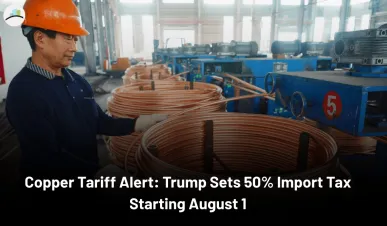
So, President Trump announced something big again—this time it's a 50% tariff on all copper imports, starting August 1. The reason? He says it’s about national security and making sure America doesn’t rely too much on other countries for something as essential as copper. You might not think much about copper in your day-to-day life, but it’s basically everywhere—from EVs and power grids to cooling systems in data centers and even the wiring in your phone charger.
The tariff will likely raise prices on copper and anything that needs it. That includes things like electric cars, home appliances, and parts used in defense and tech industries.
New newsletter: A key economic indicator is flashing for all the wrong reasons.
— Phil Rosen (@philrosenn) July 9, 2025
Copper hit a record high after Trump announced 50% tariffs on the metal. It was the biggest 1-day gain ever, but the price distortion was specific to US markets, @mikemcglone11 tells me. That surge… pic.twitter.com/F9PhpbFPdw
Why It’s Not Just About Copper
At first, it looks like this is just another step in Trump’s usual "America First" plan. But the timing and the way it was announced say more. The U.S. doesn’t mine enough copper to meet its own demand. A lot of what we use comes from places like Chile, Canada, and Peru. And building new copper mines here isn’t easy. So while the tariff might sound like it's protecting U.S. industry, the truth is—we still have to import copper, and now it'll just cost more.
That means American manufacturers, tech companies, and even the military could end up paying higher prices. And let’s not forget—it’s going to hit regular people too. You’ll likely see some of those costs show up in your utility bills or the price of new electronics or vehicles.
More Articles:
What We’re Not Talking About Enough
There are a few important angles that aren’t really being discussed much. For example, copper is a major piece of the clean energy puzzle. It’s used in solar panels, electric vehicle batteries, and the stuff that keeps our power grid running. So if copper becomes more expensive, it could slow down efforts to expand green energy infrastructure.
Another thing? This could impact U.S. innovation. AI data centers, 5G networks, and chip manufacturers all rely on copper. If prices go up and supply tightens, it could delay future growth in some of the most promising tech sectors.
And while some U.S. mining companies might benefit in the short term, they can’t ramp up production overnight. It takes years to get new mines approved and built. So even if the tariff is meant to boost American industry, it won’t happen fast enough to avoid near-term price hikes.
Could This Backfire?
It could. There’s a decent chance that countries like Chile and Peru (who send a lot of copper our way) might hit back with their own tariffs on U.S. goods. They’re not happy about this. And if U.S. companies start facing retaliation, it could disrupt trade relationships in more areas than just copper.
Also, legal experts are saying the use of the "national security" argument might not hold up in court. Section 232 is supposed to be used for real security threats, not just economic reasons. If lawsuits follow—and that’s likely—it could delay or even undo the tariff.
So Who’s Going to Feel This the Most?
Short term? Businesses that need copper immediately—especially tech and EV makers. Longer term? Probably all of us, once higher copper prices filter down into everyday things. Think of homebuilding costs, electric bills, and even internet infrastructure. And if inflation starts creeping up again, the Fed might have to step in. So yeah, this move could stir up more than just the copper market.



