
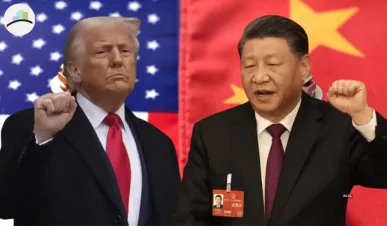
China Suspends 24% U.S. Tariffs for a Year: What Does This Mean for Trade?
In a surprising move that has stirred conversations across the globe, China has decided to suspend its 24% tariffs on U.S. goods for a year. While this may seem like a step toward easing tensions between the two largest economies, the reality is far more complex. The 10% duties that remain in place, along with selective tariff removals on certain agricultural products, leave a mixed bag of outcomes for U.S. exporters, consumers, and the global economy at large.
This decision, which came amidst the growing clamor for better trade relations between the U.S. and China, was announced after a series of high‑level talks between Chinese President Xi Jinping and U.S. officials. While the suspension of the 24% tariff is being celebrated by some, others are skeptical that this is more about symbolic gestures than a true reversal of the trade war that has shaken global markets for years.
MORE ARTICLES:
What Changed? A Partial Relief for U.S. Exports
For those following U.S.‑China trade relations, this announcement is significant but not fully transformative. The 24% tariffs that have been in place on U.S. goods since April 2025 will be paused for a year, offering temporary relief to affected industries, particularly those in agriculture, technology, and manufacturing.
However, this relief is not across the board. China’s decision to keep a 10% tariff on many of the same products means that U.S. exporters still face a significant burden in the world’s second-largest market. Some goods, including soybeans, remain subject to higher tariffs, which has already given competitors like Brazil an edge in certain sectors.
While agricultural products like soybeans and pork have been given some respite with lower tariffs, they still face significant competition from other countries. The 10% baseline tariff on U.S. goods is expected to remain for the duration of the suspension, meaning that the relief for many exporters is limited in scope.
This decision to suspend 24% tariffs but maintain a 10% levy on some U.S. goods represents a compromise of sorts — easing the immediate pressure on trade but not reversing the long‑term changes that have occurred since the U.S. first imposed tariffs on Chinese goods in 2018.
What Does This Mean for U.S. Farmers and Exporters?
For U.S. farmers, this temporary suspension offers a glimmer of hope, particularly in the agriculture sector. Soybean exports, which had been hit hard by China’s tariffs, are one area where the suspension could help restore trade flow. While U.S. soybeans still face a 13% tariff compared to pre‑trade war levels, the 15% cut in tariffs on specific agricultural products is expected to boost demand in China for U.S. farm goods.
However, it’s important to remember that the U.S. agriculture industry has lost ground to global competitors like Brazil and Argentina during the trade war. The suspension of tariffs offers some immediate relief, but long-term market share may remain out of reach.
The broader question for U.S. exporters is whether China’s move signals an attempt to reopen its doors to American goods or whether this is more of a token gesture aimed at easing political pressures rather than reversing the damage caused by the tariff war. While this suspension provides some breathing room, the underlying challenges for U.S. exporters remain significant.
The Bigger Picture: Easing Trade Tensions Amid Global Economic Pressure
This tariff suspension comes at a time when both China and the U.S. are facing growing economic challenges. With the global economy grappling with inflationary pressures, supply chain disruptions, and geopolitical tensions, both countries are looking for ways to stabilize their relationship and avoid further escalation in trade disputes.
-
China’s Perspective: For China, this decision is likely a strategic move to balance economic growth with international pressures. The Chinese economy has been slowing, and trade tensions with the U.S. have only exacerbated these challenges. Easing some tariffs could help spur growth, particularly in sectors like agriculture.
-
U.S. Perspective: For the U.S., this suspension is a sign that diplomatic efforts may be paying off, at least in the short term. However, the 10% tariffs remain, which means that U.S. companies still face higher costs when trading with China. There’s also the question of long-term trade policy—whether these moves will lead to greater trade liberalization or if they represent a temporary truce.
-
The Global Economy: For the broader global market, the suspension signals a positive step toward de-escalation. Given the interdependence of the U.S. and Chinese economies, any movement toward reducing trade barriers is likely to benefit other countries and provide some relief to global supply chains.
What Will Happen Next?
While the suspension of the 24% tariff is a win for U.S. exporters in the short term, it raises several questions about the long-term trajectory of U.S.–China relations.
-
Will China continue to roll back tariffs in the coming months, or is this just a temporary measure to placate global concerns?
-
What will the U.S. response be in terms of tariff policy and reciprocal measures?
-
Will the U.S. focus on strengthening its trade partnerships with other regions (such as Europe or Southeast Asia) in light of these ongoing tensions with China?
The next few months will be critical in determining the direction of U.S.–China trade relations and how this impacts both countries’ domestic economies and their place in the global market.



