
China Wants to Catch Up Fast
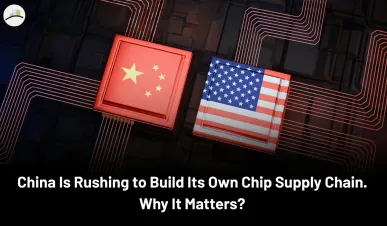
So, here’s what’s going on — China’s kind of in a hurry right now. They’re trying to build their own chip-making system from scratch. Why? Because the U.S. has been tightening rules on exporting tech like AI chips and chip-making machines to China. Basically, the U.S. doesn’t want its advanced technology to end up powering China’s military or surveillance systems.
And honestly, this has pushed China into gear. They don’t want to rely on anyone else anymore, especially not countries that could cut them off at any moment. So they’ve been throwing in a lot of money and resources to become self-sufficient — making everything from chip designs to the raw materials needed to build them.
China's racing to build its AI ecosystem as U.S. tech curbs bite. Here's how its supply chain stacks up https://t.co/lY7CmHbzCQ
— Caleb McMurtrey (@CalebBMcMurtrey) June 12, 2025
Making Chips Without U.S. Help Isn’t Easy, But They’re Trying
One of the biggest challenges? China can’t get its hands on the most advanced chip-making tools — especially stuff like EUV machines from companies like ASML in the Netherlands. These machines are critical for making the tiny, super-powerful chips used in AI and smartphones.
So instead of waiting around, Chinese companies like SMIC are trying to work with older tech and still make it work. For example, they’ve figured out how to make 7-nanometer chips (which is pretty advanced) using older machines and some clever tricks like extra layering. Not perfect, but they’re moving forward.
And they’ve got Huawei, too — which is making chips for its own phones again, even with all the restrictions. Kind of impressive, considering they’ve had a lot of tech pulled out from under them.
China’s Not Just Making Chips — They’re Building the Whole System
What’s wild is that China isn’t just focusing on making the chips. They’re also trying to build the full supply chain. That means mining their own minerals, refining them, designing the chips, and making the machines that make the chips.
-
They’ve got a ton of rare earth materials like gallium and germanium — stuff that’s crucial for electronics.
-
They’re investing big in domestic companies that can do parts of the process that used to be handled abroad.
-
They’re also working on their own chip design software (called EDA), since access to foreign software is limited now.
All of this is backed by government money. The state’s chip fund (nicknamed Big Fund III) and other programs are pouring billions into making this whole thing happen. China is basically trying to build a tech fortress around itself.
Read More on Procapitas:
Is It Working?
Well, kind of. China’s chip imports have gone down, which could mean they’re making more at home. But they’re still behind in a lot of ways. For example, their chips aren’t as powerful or efficient as what the U.S. or Taiwan can make. Still, they’re making progress faster than a lot of people expected.
Some folks, like Nvidia’s CEO, even said that the U.S. restrictions may have pushed China to innovate more. He said it’s like the restrictions gave them “a mission” to build their own stuff — and now U.S. companies might lose some of that massive Chinese market.
What Could Happen Next?
A few things to keep an eye on:
-
China wants to reach the 5-nanometer level by 2026 — and they’re working hard toward it.
-
More countries might join the U.S. in limiting tech exports to China, especially Japan and the Netherlands.
-
China could start exporting its homegrown chips more aggressively in other markets — especially in developing countries.
All in all, this chip race isn’t just about technology. It’s about power, influence, and who controls the future of AI, defense, and global trade. And right now, China’s making it very clear — they don’t want to be left behind.



