
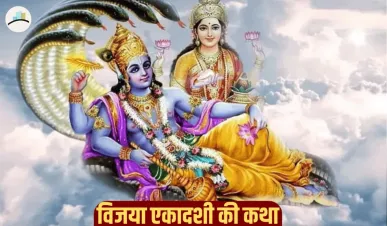
Vijaya Ekadashi is a sacred and highly auspicious day observed by Hindus, especially those seeking spiritual growth and victory in life. This day falls on the 11th day (Ekadashi) of the bright fortnight (Shukla Paksha) of Phalguna month according to the Hindu calendar. It is celebrated with devotion, fasting, and prayer to Lord Vishnu for victory, prosperity, and the removal of obstacles. The Vijaya Ekadashi is particularly observed to invoke blessings for success and to ward off difficulties, and it holds great significance in both religious and spiritual practices.
In 2026, Vijaya Ekadashi will fall on February 27th. It is a time for devotees to observe the Ekadashi vrat (fasting) and perform rituals with the intention of spiritual elevation and attaining victory over internal and external adversities.
Vijaya Ekadashi: Date and Tithi (2026)
-
Vijaya Ekadashi will be observed on February 27, 2026 (Friday).
-
Ekadashi Tithi begins on February 26, 2026 at 7:45 PM.
-
Ekadashi Tithi ends on February 27, 2026 at 9:05 PM.
On this day, devotees perform Vrat (fasting), offer prayers to Lord Vishnu, and listen to the Vijaya Ekadashi Katha (story) for blessings.
What is Ekadashi Vrat?
Ekadashi is a day of fasting observed twice a month, once during the Shukla Paksha (bright fortnight) and once during the Krishna Paksha (dark fortnight). The significance of Ekadashi is to purify the mind and body, engage in spiritual practices, and seek blessings for prosperity, peace, and victory.
On Vijaya Ekadashi, devotees worship Lord Vishnu, as he is the presiding deity of the day. The fast is meant to invoke divine blessings for success, the removal of obstacles, and fulfillment of desires.
MORE ARTICLES:
Vijaya Ekadashi Katha (Story in Hindi and English)
Vijaya Ekadashi Katha (in Hindi)
यह कथा भगवान श्री कृष्ण ने युधिष्ठिर को सुनाई थी। एक बार युधिष्ठिर ने भगवान श्री कृष्ण से पूछा, "हे भगवान, शुक्ल पक्ष की एकादशी का क्या महत्व है और इसे किस प्रकार से व्रत करना चाहिए?" भगवान श्री कृष्ण ने कहा, "हे युधिष्ठिर! इस एकादशी का नाम 'विजय एकादशी' है। जो व्यक्ति इस एकादशी का व्रत श्रद्धा और भक्ति से करता है, उसे न केवल मानसिक शांति मिलती है, बल्कि वह हर युद्ध, हर परीक्षा में विजयी होता है।"
विजय एकादशी का व्रत करने से सारे पाप नष्ट हो जाते हैं और व्यक्ति को समृद्धि, सुख और ऐश्वर्य की प्राप्ति होती है। इस दिन भगवान विष्णु की पूजा करने से विशेष लाभ होता है और जो इस दिन उपवासी रहते हुए भगवान के भक्तिपूर्वक स्मरण करते हैं, उनके सारे कष्ट दूर हो जाते हैं।
भगवान श्री कृष्ण ने आगे कहा, "इस एकादशी को भगवान विष्णु का पूजन, विशेष रूप से 'विजय' के मंत्रों का जाप, करने से जीवन में सारी बाधाएँ समाप्त होती हैं।"
Vijaya Ekadashi Katha (in English)
This story was narrated by Lord Krishna to Yudhishthir. Once, Yudhishthir asked Lord Krishna, "O Lord, what is the significance of the Ekadashi that falls in the Shukla Paksha, and how should one observe it?" Lord Krishna replied, "O Yudhishthir, this Ekadashi is called Vijaya Ekadashi. The person who observes this Ekadashi with full devotion and faith will not only achieve mental peace but also triumph over every battle and challenge in life."
Observing the fast on Vijaya Ekadashi will cleanse all sins, and the devotee will receive prosperity, happiness, and wealth. On this day, the worship of Lord Vishnu holds special importance. Those who fast and chant the Lord's name with devotion will have their troubles removed.
Lord Krishna further stated, "By worshiping Lord Vishnu on this day and chanting the Vijaya mantras, all obstacles in life will be eradicated, leading to victory and success."
Benefits of Observing Vijaya Ekadashi Vrat
-
Victory Over Adversities: It is believed that fasting and praying on Vijaya Ekadashi can help devotees overcome personal and professional challenges. The fast is said to bring divine blessings that result in success and victory in life's endeavors.
-
Spiritual Growth: Observing this fast enhances spiritual growth and brings one closer to Lord Vishnu. It is a day for self-reflection, repentance for past mistakes, and the cultivation of virtues like patience and compassion.
-
Purification of Sins: The fasting on this day is considered to wash away past sins and bring peace and prosperity into the devotee's life.
-
Prosperity and Peace: Devotees believe that Lord Vishnu grants prosperity, wealth, and peace to those who observe this vrat with sincerity.
How to Observe Vijaya Ekadashi Vrat?
-
Start by Taking a Holy Bath: Devotees take a bath in the morning on Vijaya Ekadashi to purify the body and mind.
-
Fast for the Day: The fast involves abstaining from food and water, though some devotees may choose to observe a partial fast by consuming fruits, milk, or light food.
-
Worship Lord Vishnu: Offer prayers to Lord Vishnu by lighting a lamp and reciting mantras such as the Vijaya Ekadashi Mantra or chanting his name. Worshipping Lord Vishnu helps in seeking victory over obstacles and challenges.
-
Listen to the Katha: Listening to the Vijaya Ekadashi Katha is an essential part of the vrat, as it helps in gaining spiritual knowledge and blessings.
-
Break the Fast: The fast is broken in the evening after performing the rituals and offering prayers to Lord Vishnu.
Conclusion
Vijaya Ekadashi is a day filled with spiritual significance, providing a perfect opportunity to seek victory, peace, and prosperity. By observing the Ekadashi vrat with devotion and listening to the Vijaya Ekadashi Katha, devotees can attain divine blessings that lead to success and fulfillment. The next Vijaya Ekadashi in February 2026 offers a chance to start the year with a positive and victorious mindset.



