
Mumbai Red Alert: Is This the Worst Rainfall Mumbai Has Ever Seen?
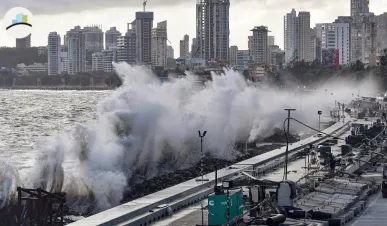
Hold on tight, Mumbai! The city is bracing for what could be one of its most intense weather events in years. On September 29, 2025, the India Meteorological Department (IMD) issued a red alert for Mumbai due to heavy rainfall. But this isn’t just another rainy day – it’s a massive storm that could disrupt life as we know it. Here’s everything you need to know about what’s coming, why it’s different, and how it could change the way we look at monsoon season in Mumbai forever!
MORE ARTICLES:
Why Is Mumbai Under Red Alert Today?
Mumbai's monsoon has always been dramatic, but this red alert isn’t just about rain—it’s about the scale of the storm coming. IMD’s warning highlights a severe risk of flooding, landslides, and dangerously high winds. The rain is expected to intensify rapidly over the next 24 hours, with forecasts predicting up to 200 mm of rainfall in certain areas by evening.
What’s really alarming? It’s not just the rain; it’s the intensity of the wind and the potential impact on infrastructure, transportation, and daily life. Could this storm be the start of a bigger climate shift for Mumbai? Is this a warning for what’s to come in future seasons?
What’s Happening Right Now in Mumbai?
-
Record Rainfall: Mumbai has already seen more than 150 mm of rainfall in just 24 hours. The worst is yet to come, as this is expected to increase dramatically.
-
Flooding Across the City: Local areas are already facing waterlogging, causing traffic jams and delays. Major streets like Marine Drive, Andheri, and Lower Parel are submerged in water, making it near impossible for commuters to move freely.
-
Power Outages: Several neighborhoods have already experienced power cuts, and with more rain expected, the situation could worsen, leaving many without electricity during the worst of the storm.
But wait – this isn’t just a “bad weather day.” This is a wake-up call for the city, where flooding could paralyze the most bustling financial center in the country. What if Mumbai's infrastructure isn’t equipped to handle the new realities of climate change? Could this lead to massive changes in how we plan, build, and operate in this megacity?
Why Is This Storm Different from Other Monsoon Showers?
The intensity of this storm has experts worried. Here’s what’s different:
-
Unprecedented Rainfall: While Mumbai is no stranger to heavy rainfall, the forecasted downpour for today is set to exceed historical records for the monsoon season. The IMD has predicted extreme weather conditions, with certain areas possibly seeing up to 100mm of rain per hour.
-
High Winds and Storms: It’s not just the rain—gusty winds of up to 70-80 km/h are expected to hit, causing damage to trees, billboards, and potentially even rooftops.
-
Continued Disruption: With train and flight delays, roads flooded, and schools closed, the usual response won’t be enough to handle the massive scale of disruption this storm could cause.
Could this be a sign that Mumbai needs to rethink its approach to flooding? How many more storms like this will the city face before it re-evaluates its infrastructure, drainage systems, and emergency preparedness?
What Does This Mean for Mumbai Residents?
The red alert signals that this storm could be more than just an inconvenience—it could turn into a full-scale emergency. Here’s what you should know:
-
Stay Indoors: Avoid travel, especially if you live in flood-prone areas like Andheri, Worli, and Kurla. Authorities are already advising people to stay off the roads to avoid getting stuck in waterlogged areas.
-
Monitor Updates: Keep an eye on local news and weather alerts. This storm can intensify rapidly, and timely information will be crucial for your safety.
-
Prepare for Power Outages: Stock up on essentials, as the storm may knock out power for long periods, especially in the worst-hit areas.
As the rain continues to pour down, the city may see emergency evacuations, especially in low-lying regions and areas prone to landslides. Authorities are already taking action, but could this lead to larger-scale evacuations across Mumbai? The city’s response to this storm could be a game-changer in how we approach disasters in urban settings.
What Is Being Done to Handle the Crisis?
While Mumbai’s authorities are on high alert, they face a monumental challenge in containing the damage. Here’s what’s being done:
-
Flood Management: Teams are working around the clock to clear waterlogged streets, but experts say the storm’s scale may overwhelm existing systems.
-
Emergency Services: The Mumbai Fire Brigade and NDRF (National Disaster Response Force) are on standby for any rescue operations.
-
Public Transport: With local trains and buses already facing delays, the city’s transportation system is bracing for even more disruption. If the storm continues at this pace, train cancellations could become widespread, potentially cutting off large sections of the city.
The question remains: Is Mumbai ready for a storm of this magnitude? Can the city’s infrastructure handle the growing intensity of these monsoon seasons, or is the government’s disaster preparedness system in need of a serious overhaul?
What’s Next? Is This Just the Beginning?
Could this be the beginning of a new era in Mumbai’s fight against floods and storms? With experts warning of more frequent heavy rainfall events in the future due to climate change, the city might need to rethink its approach to urban planning. If Mumbai continues to face more extreme weather patterns, could we see massive infrastructural changes?
Could this storm signal a tipping point for how Mumbai handles its urban planning, drainage, and emergency management?
Mumbai is under siege by extreme weather, and this storm is just the beginning. If you think you’ve seen the worst of the monsoon, think again. The city’s infrastructure is under pressure, and the impact of climate change on urban planning is now more apparent than ever. Stay tuned for updates – this storm could change Mumbai forever.



