
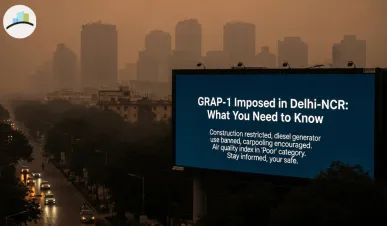
GRAP-1 Imposed in Delhi-NCR Ahead of Diwali: What Does This Mean for You?
Delhi-NCR Faces a Major Air Quality Crisis: GRAP-1 is Here!
With Diwali just around the corner, Delhi-NCR is bracing for a severe pollution crisis. The Graded Response Action Plan (GRAP-1) has been triggered as air quality in the region hit a “poor” status, with AQI soaring over 200. And guess what? This could be just the tip of the iceberg.
As the region gets ready for the festive season, this could turn into a serious health emergency. The Graded Response Action Plan (GRAP), designed to counter severe air pollution, has now come into effect, starting with Stage-1 restrictions. If you thought the air pollution was bad last year, buckle up—this Diwali could be one of the worst yet.
MORE ARTICLES:
What GRAP-1 Means for Delhi-NCR Residents
So, what exactly does this mean for you? Here’s a breakdown of the tightened restrictions that will directly affect daily life:
-
No More Dust: Construction work across Delhi-NCR will come to a halt unless essential. Dust suppression protocols are mandatory.
-
Ban on Open Waste Burning: If you're planning to burn waste or leaves, forget it! Authorities will take strict action to curb this practice.
-
Stricter Vehicle Checks: Expect to see heavier traffic checks as authorities clamp down on cars that fail to meet Pollution Under Control (PUC) standards. Vehicles emitting visible smoke could face fines or be impounded!
-
No More Careless Industrial Pollution: Non-compliant industries must close down or face serious penalties. As factories continue to pump out smoke, residents will feel the effects more than ever.
And these measures are just Stage-1! Stage-2 and Stage-3 restrictions could hit much harder if pollution levels worsen.
What About Diwali? The Firecracker Dilemma
The million-dollar question: Can we burst firecrackers this Diwali? While many feared a total ban, the Supreme Court has stepped in to give some hope—but with a catch. From October 18 to 21, firecrackers with QR codes will be allowed, but only between 6 PM and 10 PM. This means green firecrackers are the only ones available for purchase—non-compliant crackers are out of the picture.
But there's a twist— will people actually follow the rules? Will the excitement and chaos of the festival lead to an illegal firecracker free-for-all? Authorities will be keeping a hawk's eye on all celebrations, enforcing penalties for anyone stepping out of line.
Why is GRAP-1 So Urgent Right Now?
As of October 14, Delhi's AQI hit a shocking 211. The pollution levels reached “poor” status and could easily escalate into “very poor” if unchecked. GRAP-1 has been activated to prevent this from happening. If this continues to rise unchecked, it could not only be a health disaster but also have serious economic consequences.
This is where the real drama begins—what could Stage-2 and Stage-3 restrictions look like? Picture a complete halt to certain types of industrial production, a massive curtailment in road traffic, and even work-from-home orders for schools and offices. Air quality could plummet further, turning the whole city into a health hazard zone.
The Bigger Picture: What’s at Stake This Diwali?
This Diwali, it’s not just about festivities anymore—it’s about survival.
With air pollution set to spike, your health is at risk. Authorities are warning against heavy outdoor exposure to prevent respiratory issues, and even suggesting wearing N95 masks for extra protection.
But, that's not all! If the measures in GRAP-1 aren't enough to curb pollution, the entire Diwali season could turn into a health crisis. Hospitals could be overrun with respiratory problems, and more severe health warnings could be issued.
The worst part? This is just the beginning. As GRAP-2 and GRAP-3 measures potentially follow, things could escalate to a full-blown emergency situation. Cities may be forced to close schools, shut down businesses, and restrict public movement entirely. What happens if the population doesn't comply? This could snowball into something that could affect the city's entire future.
What Should You Do? Here's What You Need to Know
As a citizen, it's now or never to step up and help prevent this crisis. Here's how you can protect yourself and the city:
-
Limit outdoor activities and stay indoors as much as possible, especially during peak pollution hours (early mornings and evenings).
-
Wear an N95 mask when stepping out. It’s not just for looks—it’s to keep the pollution out!
-
Stay updated on air quality levels. Apps can give you live AQI data, so you’re always in the know.
-
Avoid unnecessary travel, and if you’re driving, make sure your vehicle meets the required PUC standards.
-
Embrace eco-friendly Diwali celebrations. Celebrate with safe and green crackers, but remember—no crackers after 10 PM!



