
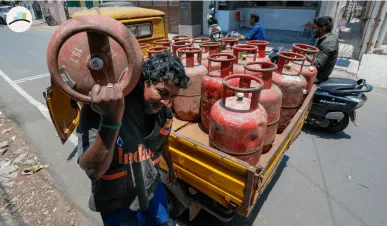
India is currently grappling with a growing LPG gas shortage that is affecting millions of households. Amid the crisis, the ESMA Act has been invoked by the Indian government to ensure smooth supply and avoid hoarding. But what exactly is ESMA, and how does it affect LPG gas distribution? Here’s everything you need to know about the ESMA Act and the LPG gas shortage currently impacting the nation.
What is ESMA?
ESMA stands for the Essential Services Maintenance Act, a piece of legislation that was enacted by the Indian government to ensure the continuity of essential services during times of crisis or unrest. Under this law, the government can prevent strikes and restrict certain activities that may disrupt the normal functioning of essential services like gas supply, electricity distribution, transportation, and more.
In recent days, ESMA has been invoked to maintain LPG gas supply amid the current shortage and rising demand. The government has used ESMA to prevent hoarding and speculation in the gas sector, ensuring that the public can access LPG gas cylinders without undue price hikes or delays.
MORE ARTICLES:
ESMA Act In India Explained: Full Form, Meaning, Why It Is Applied
How Does ESMA Affect LPG Gas Supply?
The LPG gas shortage has become a major issue across India, as many households rely on LPG cylinders for cooking. With demand outpacing supply, especially in rural areas, the government has stepped in to ensure fair distribution of LPG cylinders.
By invoking ESMA, the government has:
-
Prevented strikes and labor disruptions at gas supply plants
-
Restrained hoarding and price manipulation by distributors
-
Ensured that LPG cylinders are distributed based on actual demand rather than speculation
This move aims to stabilize the LPG market, ensuring that every citizen has access to affordable cooking gas during this shortage.
LPG Gas Shortage in India: What’s Causing It?
Several factors have contributed to the LPG gas shortage in India:
-
Increased global demand for LPG, affecting import prices
-
Supply chain disruptions, including delays in transportation and production
-
Rising fuel costs, which have affected the price of LPG cylinders
-
Seasonal factors, where winter months tend to see higher demand for LPG for heating and cooking purposes
Despite efforts by the government to manage the situation, the shortage has created significant problems for low-income households who rely on subsidized gas cylinders.
What Is the Impact of ESMA on LPG Distribution?
The invocation of ESMA ensures that LPG gas distribution remains uninterrupted by strikes or market manipulation. This regulation allows the Indian government to take strict actions against any form of disruption, including hoarding or speculative pricing by LPG distributors.
Additionally, the government has promised to prioritize LPG supply to the most vulnerable sections of society, ensuring that households in need of affordable cooking gas are not left without.
What Will Happen Next with the LPG Shortage?
The LPG gas shortage is expected to continue in the short term due to global market instability and domestic supply chain disruptions. However, the government is actively working on increasing supply by:
-
Importing more LPG
-
Boosting domestic production of LPG
-
Increasing storage capacities to mitigate seasonal fluctuations
In the meantime, ESMA will continue to play a key role in stabilizing the gas supply, preventing strikes, and ensuring fair pricing across the nation.
Conclusion
The LPG gas shortage in India has raised significant concerns about affordable access to cooking gas, but the invocation of the ESMA Act is a vital step in maintaining order and ensuring fair distribution. The Indian government has pledged to continue working on long-term solutions to address supply issues, but for now, ESMA provides the necessary framework to prevent hoarding and ensure that the supply reaches the people who need it most.



