
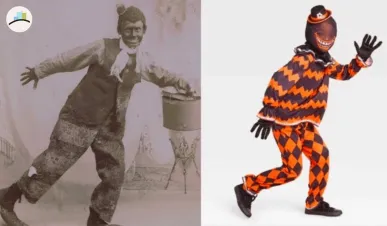
Target has apologised and removed a Halloween costume from sale after the product triggered widespread criticism from customers who described it as offensive and inappropriate.
The controversy quickly gained attention online, with shoppers questioning how the costume passed the retailer’s review process and calling for answers from the company.
Target later acknowledged the concerns and took action by removing the product, saying it understood the seriousness of customer feedback.
The incident has renewed a broader debate around Halloween costumes, cultural sensitivity and the responsibility major retailers have when creating and selling seasonal merchandise.
What Happened With Target’s Halloween Costume?
A Halloween costume sold by Target became the centre of controversy after customers raised concerns about its design and the message it appeared to represent.
The product attracted criticism across social media platforms, where users shared images and discussed whether the costume crossed the line between Halloween creativity and offensive representation.
As the discussion grew, the costume received increasing public attention, forcing Target to respond.
The retailer eventually removed the product and issued an apology after acknowledging concerns from customers.
Why Did the Target Costume Spark Backlash?
The controversy focused on concerns that the costume used imagery or themes that some customers considered insensitive.
Critics argued that certain costume designs can reinforce harmful stereotypes, particularly when they involve race, culture or historical experiences.
Halloween costumes have often created debate because they frequently draw inspiration from real people, communities, cultures and social issues.
While many people view Halloween as a time for creativity and humour, others argue that costumes should be carefully considered to avoid disrespecting communities or turning sensitive topics into entertainment.
Target’s Response to the Controversy
Following the criticism, Target removed the costume from its product listings and apologised.
The company’s response reflected the growing pressure retailers face when products become controversial online.
Large companies often have to make quick decisions during public backlash, balancing customer concerns, brand reputation and product policies.
In this case, Target chose to acknowledge the criticism and withdraw the item rather than allow the controversy to continue growing.
Why Halloween Costumes Often Become Controversial
Halloween costumes have become a recurring source of public debate because they often involve references to:
- celebrities,
- historical figures,
- cultural identities,
- professions,
- social movements,
- fictional characters.
A costume that one group considers humorous may be viewed differently by another group.
Over the years, companies have faced criticism for costumes that were considered insensitive, leading many retailers to introduce stricter internal reviews before launching seasonal products.
The Growing Importance of Cultural Sensitivity in Retail
The Target controversy highlights a larger shift in consumer expectations.
Customers increasingly expect brands to consider the wider impact of their products before selling them.
Retailers now face pressure to evaluate:
Product Design
Companies must consider whether designs could unintentionally offend or misrepresent communities.
Marketing Decisions
Images, descriptions and promotional material can influence how customers interpret products.
Public Response
Social media has made it easier for customers to quickly raise concerns and demand action.
MORE ARTICLES:
How Social Media Changes Brand Controversies
In the past, customer complaints often remained limited to direct communication with companies.
Today, a single product image or review can spread globally within hours.
Social media allows customers to:
- share opinions instantly,
- organise campaigns,
- demand explanations,
- influence brand decisions.
For companies like Target, this means product decisions are closely examined by millions of consumers.
The Challenge for Retailers Selling Seasonal Products
Halloween is a major retail period in the United States, with millions of customers purchasing costumes, decorations and accessories every year.
Retailers compete to create products that are:
- creative,
- entertaining,
- popular,
- connected to current trends.
However, seasonal products also carry risks because cultural references can be interpreted differently by different audiences.
A mistake in design or messaging can lead to:
- customer criticism,
- product withdrawals,
- reputational damage.
What Does This Mean for Target?
The controversy creates another challenge for Target as it continues managing customer expectations around its products.
For large retailers, maintaining customer trust requires more than offering popular products.
Companies must also ensure that merchandise reflects awareness of:
- cultural differences,
- customer concerns,
- social responsibility.
The incident may encourage Target and other retailers to strengthen review processes for future seasonal collections.
What Happens Next?
Target’s decision to remove the costume is likely to end the immediate product controversy, but discussions around Halloween merchandise are expected to continue.
The incident adds to a larger conversation about:
- brand responsibility,
- freedom of expression,
- cultural representation,
- consumer expectations.
As retailers prepare future Halloween collections, product review and sensitivity checks are likely to become increasingly important.
Key Takeaways
- Target removed a Halloween costume after customers criticised it as offensive.
- The retailer apologised following public backlash.
- The controversy has renewed debate around cultural sensitivity in Halloween products.
- Social media played a major role in spreading customer concerns.
- Retailers face increasing pressure to review products carefully before launch.



