
Radio Deejay 2025: Revolutionizing the Sound of Radio
The Evolution of the Radio Deejay: A New Chapter in Radio’s History
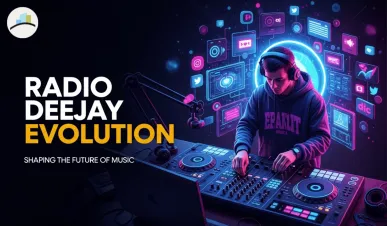
When we think of radio deejays, we often picture a voice behind the mic playing our favorite tunes, adding a personal touch, and creating the soundtrack to our lives. But in 2025, the role of the radio deejay is experiencing an extraordinary shift that’s transforming the entire radio industry. These aren’t just music players anymore. They’ve become cultural influencers, content creators, and multimedia stars. The question is: how did we get here, and what does this mean for the future of radio?
MORE ARTICLES:
The Digital Shift: From FM to Global Streams
Traditionally, radio deejays were confined to FM signals and local stations. Their reach was limited to geographic boundaries, and their ability to engage with listeners was restricted by the constraints of air time. But in 2025, the rise of streaming platforms like Spotify, Apple Music, and Twitch has revolutionized the way radio operates. Deejays now have access to a global audience, and they can broadcast live, connect with fans on social media, and create content that transcends traditional radio.
Why It’s Changing
The traditional radio model is no longer the only option for deejays. The streaming revolution allows them to curate their own shows and even interact with listeners in real-time. Whether it’s live broadcasts or personalized playlists, digital platforms allow deejays to evolve from radio hosts into global media moguls.
Live Streaming: The New Face of Radio
In 2025, live streaming has become a dominant force in the radio industry. Deejays aren’t just broadcasting over the air—they’re engaging in real-time with millions of viewers across the globe. Whether it's a live DJ set on Twitch, a podcast episode on Spotify, or an exclusive Instagram live session, deejays are using these platforms to forge deeper connections with their audience.
Real-Time Connection: The Heartbeat of Modern Radio
-
Interactive Engagement: Deejays can now respond to listener comments, take requests, and even interact with fans during the show, breaking the fourth wall that was once so prominent in traditional radio.
-
Monetization: Through sponsorships, donations, and exclusive content, live streaming offers a new avenue for deejays to generate revenue beyond just playing music. It’s creating a self-sustaining ecosystem for them to thrive in.
Social Media: Amplifying the Deejay’s Influence
While traditional radio deejays once had limited exposure, today, social media has become integral to a deejay’s brand. Platforms like Instagram, Twitter, and TikTok are giving deejays the tools they need to engage with their audience like never before.
-
Behind-the-Scenes Content: Fans love seeing the personal side of their favorite deejays, and social media offers the perfect platform for this. From sharing their favorite tracks to giving real-time updates on events, deejays are using these platforms to build deeper relationships with their audience.
-
Promoting Social Causes: Many deejays are leveraging their platforms to advocate for important issues, from mental health to social justice, using their massive influence for positive change.
The Rise of the Virtual Deejay
In addition to human deejays, artificial intelligence (AI) is starting to play a role in the world of radio. Virtual deejays are increasingly taking over some of the more repetitive tasks, such as curating playlists and providing live reports. However, while AI deejays might be able to replicate certain tasks, they will never be able to replace the human creativity and emotion that real deejays bring to the mic.
-
AI and Automation: AI-driven music services can create personalized playlists for listeners based on their preferences, making it more efficient than ever for users to find new music. But they lack the spontaneity and human touch that deejays offer during live shows.
Cultural Influence: Deejays as Curators of Music and Trends
In 2025, radio deejays are no longer just playing songs—they are shaping cultural movements. Through their shows, deejays bring new music to the forefront, elevate emerging artists, and create exclusive moments that influence the global music scene.
-
Promoting Undiscovered Talent: Deejays are often the first to introduce underground artists to a mainstream audience, using their platforms to push new sounds and genres that resonate with listeners around the world.
-
Setting Trends: By playing specific songs, styles, or even sounds, deejays can create trends that sweep across social media and even spill over into fashion and lifestyle.
What’s Next for Radio Deejays?
The future for radio deejays is more exciting than ever. Here’s a look at what’s coming:
-
Virtual Reality Shows: As VR and AR technologies continue to develop, we could see the rise of immersive live performances, where fans feel as if they’re right in the room with their favorite deejays.
-
Deejays as Digital Creators: The line between radio deejays and digital content creators will continue to blur. Expect more deejays to host streaming concerts, collaborate with influencers, and create exclusive content for their followers.
-
AI-Enhanced Interactions: While AI may never replace human deejays, it will continue to play an important role in enhancing personalization and music discovery, making deejay shows even more customized to each listener’s preferences.
Conclusion:
The role of the radio deejay in 2025 is nothing short of revolutionary. These pioneers are no longer just behind the mic—they are the driving force behind a new era in music, culture, and technology. As live streaming, AI, and social media continue to reshape the landscape, radio deejays will remain at the heart of the global entertainment world. Whether you're a fan of live shows, music discoveries, or cultural conversations, deejays are the soundmasters of our time.



