
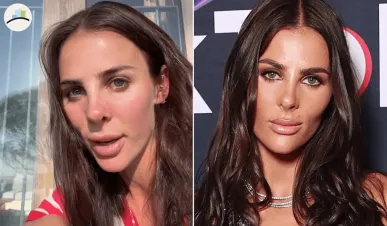
Indy Clinton, a 27‑year‑old Australian social media star, has ignited a firestorm of conversation online after doing something most influencers would never dare: she’s charging followers up to $131.99 a month just to see the results of her new nose job.
After a botched first rhinoplasty left her unable to breathe properly and sparked relentless online criticism, Indy went back under the knife — and now she’s putting exclusive access to the reveal behind a subscription paywall on TikTok. This controversial move has fans and haters alike talking, debating, and questioning the very future of influencer monetization.
From “Botched Nose Job” to Big Business
Indy Clinton’s cosmetic surgery journey began earlier this year, when she shared that her first nose job — intended to be a minor tweak — didn’t go as planned. She later revealed she needed a revision rhinoplasty, a four‑hour procedure using cartilage from her ribs to give her both structural support and functional breathing improvements.
Instead of simply posting photos of her post‑surgery results for free, she launched a subscription tier on TikTok where followers can pay to see her new look and follow her recovery up close. The tier ranges from around $105.49 to $131.99 per month, depending on the plan people choose.
Indy even teased fans directly, asking online if they were “nosy enough to subscribe,” which sent her subscriber link viral. According to recent figures, over 55,000 users clicked the subscription link, and although only 64 people signed up so far, that still nets her around $7,167 from a single month of sign‑ups.
Why Is She Charging for Her Nose Reveal?
The motivation behind Indy’s unusual paywall appears to be two‑fold:
1. Covering Costs and Turning Hate Into Opportunity:
Indy has been brutally trolled over her appearance after the first surgery, to the point she even hired a private investigator to unmask users sending anonymous abuse. Turning that attention into monetized content might be a way for her to take control and profit from the controversy rather than letting it damage her.
2. Making a Business Out of Curiosity:
People’s natural curiosity about dramatic transformations — especially when a person has been openly criticized or scrutinized — is huge. Indy appears to be tapping into that by giving fans an exclusive look at something the broader public really wants to see.
Mixed Reactions Across the Internet
As expected, the move has triggered polarized reactions online:
🔥 Supporters
Some commenters have praised Indy’s entrepreneurial spirit, calling her strategy genius and saying she deserves to profit after enduring years of online abuse and negativity about her appearance. They argue that if people are curious enough to pay to see something, why not charge for it?
❄ Critics
Others think the price is exorbitant, especially in a time when many people are feeling financial strain. Comments on social platforms have ranged from “that’s wild” to outright rejection of the idea that anyone should pay to see someone’s face — something they believe she should eventually post publicly anyway.
Some fans have also pointed out that they can simply wait until she posts her nose publicly later — which she has not yet done — instead of paying a subscription fee now.
The Psychology Behind the Paywall
Experts in digital media have noticed a trend: exclusive, behind‑the‑scenes content is increasingly becoming a revenue stream for influencers who want to break away from ad revenue and brand deals. But Indy’s case is unique because she’s charging specifically for access to a medical result, rather than lifestyle videos or private discussions.
Whether this becomes a new frontier in social media monetization or an oddity remains to be seen — but the fact that thousands of people clicked the link shows that curiosity itself is a powerful currency online.
Can This Change How Influencers Profit?
Indy’s choice raises bigger questions:
-
Could other influencers start charging for personal revelations rather than free posting?
-
Are fans willing to pay premium fees for exclusive access to private content?
-
Is this model sustainable, or just a one‑off stunt that capitalizes on controversy?
Right now, Indy Clinton is at the center of that experiment, proving that the line between privacy, curiosity, and monetization is blurrier than ever in the digital age.



