
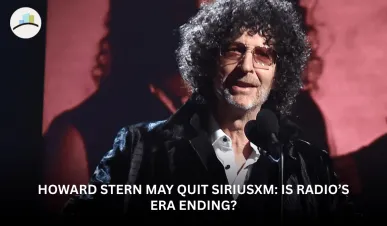
Howard Stern’s SiriusXM Future Uncertain as $500M Contract Nears End
As Howard Stern’s staggering $500 million SiriusXM contract nears expiration, the satellite radio giant finds itself at a crossroads. The fate of one of its most bankable voices is no longer guaranteed, raising bigger questions about the shifting dynamics of modern media, aging talent, and platform dependency.
🔥🚨BREAKING: The Howard Stern Show is getting canceled after 20 years on the radio. SiriusXM reportedly has grown tired of his his $100M a year salary. "It is no longer worth the investment." (per The Sun) pic.twitter.com/FmjcVCq9sf
— Dom Lucre | Breaker of Narratives (@dom_lucre) August 6, 2025
Why This Matters
Stern isn't just a celebrity host—he’s been a defining pillar of SiriusXM's identity. His deal helped bring millions of loyal subscribers to the platform, effectively shaping the company's brand and revenue model over the past two decades. Losing him now would not just be a personnel change—it could unravel parts of SiriusXM’s future growth strategy.
What's Not Being Discussed Enough
The looming expiration is more than a contract issue; it represents a generational shift. Stern’s longform, shock-jock style helped define a media era. But that era is evolving. Gen Z and younger Millennials consume content in short bursts—on TikTok, YouTube Shorts, and podcasts. Stern’s traditional format is under threat, and SiriusXM knows it.
There’s also underreported tension brewing between Stern’s push for creative autonomy and SiriusXM’s need for ROI in an increasingly competitive audio market. Newer voices cost less and bring fresh ad dollars.
Economic and Business Implications
Should Stern exit, SiriusXM faces three major business risks:
-
Subscriber Churn: A sizable portion of the platform’s paying listeners are Stern fans. Losing him could result in a noticeable dip in retention.
-
Stock Market Reaction: Stern’s presence has historically influenced investor confidence. A departure could trigger uncertainty about SiriusXM’s content strategy, potentially shaking its share price.
-
Strategic Pivot Costs: If Stern leaves, SiriusXM may need to invest heavily in new talent, AI-led radio, or podcast integrations to fill the vacuum—requiring both time and capital.
MORE ARTICLES:
Hidden Opportunities
For SiriusXM, this is also a moment to reinvent. Embracing new audio influencers, investing in AI-curated radio, and tailoring content to mobile-first audiences could unlock more scalable long-term growth than continued reliance on one high-cost legacy voice.
For Stern, freedom from SiriusXM might allow him to go independent—think Joe Rogan-style podcasting with global reach, minus corporate constraints.
Historical Parallels
This isn’t the first time the industry has faced such turning points. Think of Johnny Carson’s exit from "The Tonight Show" or Oprah ending her show. The key difference now is the platform—the audio space is fractured, decentralized, and more influenced by algorithms than brand loyalty.



