
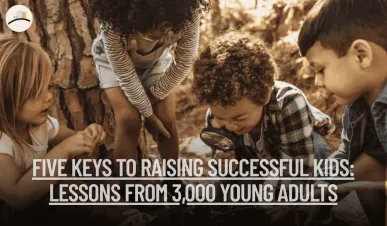
Lessons from 3,000 Young Adults: Raising Successful Kids
Okay, so I've spent years working with thousands of young adults, maybe closer to 3,000 now that I think about it. I've seen what works, what doesn't, and honestly, what really makes a difference in shaping these kids into successful adults. It's not just about good grades; it's way more complex than that. It's about building well-rounded, resilient people. And after all this time, I've boiled it down to five key rules, five things that seem to make a huge difference. I’m not saying this is a magic formula, but these are things I've consistently seen work wonders.
1. Nurture Curiosity, Not Just Grades
Look, I get it. We all want our kids to get good grades. But honestly, obsessively focusing on grades alone can stifle a child's natural curiosity. I've seen so many brilliant, creative kids get crushed under the weight of academic pressure. They become afraid to take risks, afraid to explore their interests outside the curriculum. It's like, we're trying to fit them into a mold instead of letting them grow into their own unique selves. Encourage them to explore their passions, even if it means getting a B in algebra. Support their interests, whether it's coding, drawing, or playing the trombone. That’s what matters more in the long run. Help them find their intrinsic motivation. It's much more powerful than any external pressure.
2. Teach Them How to Fail (Gracefully!)
This one's tough, I know. No parent wants to see their child struggle. But believe me, learning how to handle failure is a crucial life skill. I've seen kids who've never faced real setbacks crumble under pressure later on in life. They haven't developed the resilience needed to bounce back from disappointment. We need to teach our kids that failure isn't the opposite of success; it's a stepping stone. It's an opportunity to learn, to grow, to adjust their approach. We need to teach them to embrace failure, analyze it, and learn from it. Don't shield them; guide them through the process. And always remind them of their worth, even in the face of adversity.
3. Foster Strong Communication Skills
This is probably the most overlooked aspect. You can have all the intelligence and talent in the world, but if you can’t communicate effectively, it's like having a super-powered car with no engine. Communication is essential for collaboration, problem-solving, and building strong relationships. Talk to your kids. Really talk to them – listen to their perspectives and feelings. Encourage them to articulate their thoughts clearly and persuasively. And make sure they understand the importance of active listening and empathy. These skills aren't just about speaking; they’re about understanding and connecting with others. It's more than just talking; it's about understanding and connecting. This is key in all aspects of life, from the workplace to personal relationships.
4. Emphasize the Value of Hard Work and Perseverance
Honestly, there's no shortcut to success. It takes hard work, dedication, and a willingness to persevere through challenges. It’s crucial to teach our kids that effort is just as valuable as innate talent. I’ve seen kids who were naturally gifted but lacked the discipline to follow through. And then I’ve seen others who worked incredibly hard to achieve their goals. The latter is more impressive, in my experience. Teach them the importance of delayed gratification and working towards a goal. Help them develop good work habits, time management skills, and a strong work ethic. Show them that success comes from consistent effort, not just sudden bursts of inspiration.
5. Cultivate Emotional Intelligence
This is something I've started seeing as being increasingly crucial. Emotional intelligence is the ability to understand and manage your own emotions and those of others. It's about self-awareness, empathy, and social skills. It’s about understanding your own emotions, managing them, and understanding the emotions of others. Kids who are emotionally intelligent are better equipped to handle stress, build healthy relationships, and navigate the complexities of life. Help them develop self-awareness, empathy, and emotional regulation skills. Talk about feelings; teach them how to handle conflict and build resilience. This goes beyond simple communication; it's about understanding the emotional landscape of human interaction.
These are just some observations from my years working with young adults, thoughts I’ve formed while helping young people find their paths. It's not a guarantee of success, of course. But these are the cornerstones that I’ve seen truly make a difference. And remember, every child is different – what works for one might not work for another. Flexibility and adaptability are just as important as these five rules.



