
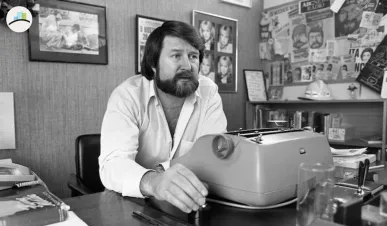
Australia is mourning the loss of one of its most recognisable media personalities, Derryn Hinch, who has died at the age of 82.
The veteran broadcaster, journalist and former senator was known for his direct style, investigative reporting and decades-long presence across Australian radio and television.
Hinch earned the nickname "the Human Headline" because of his ability to turn major social issues into national conversations. His career stretched from newspaper journalism to talkback radio, television programs and eventually federal politics.
What Happened to Derryn Hinch?
Derryn Hinch died on July 10, 2026, at the age of 82.
Reports stated that Hinch had been dealing with declining health following a recent fall and passed away at home. His death was confirmed by reports from Australian media outlets and tributes quickly followed from colleagues, politicians and listeners who remembered his decades of public service.
What Was Derryn Hinch’s Cause of Death?
The exact medical cause of Derryn Hinch’s death was not fully disclosed publicly.
However, reports noted that Hinch had experienced several serious health challenges throughout his life, including liver disease, cancer and a liver transplant in 2011.
His health struggles became part of his public story, as Hinch often spoke openly about his medical battles and personal challenges.
How Old Was Derryn Hinch?
Derryn Hinch was 82 years old when he died.
Born in New Zealand in 1944, he built his career primarily in Australia, becoming one of the country's most influential broadcasters and political commentators.
Who Was Derryn Hinch?
Derryn Hinch was an Australian journalist, broadcaster, author and politician.
He began his journalism career as a teenager before moving into newspaper reporting, radio and television.
Over the years, he became known for:
- Investigative journalism
- Talkback radio
- Current affairs programs
- Social justice campaigns
- Political commentary
His strong opinions often made him a controversial figure, but he remained highly influential among Australian audiences.
Derryn Hinch’s Journalism Career
Hinch became a household name through his work in Australian broadcasting.
He hosted major programs including Hinch and became closely associated with Melbourne radio station 3AW.
His reporting style focused heavily on issues involving crime, justice and public accountability.
In 2010, he was inducted into the Australian Commercial Radio Hall of Fame, recognising his contribution to broadcasting.
Derryn Hinch’s Political Career
After decades in media, Hinch entered politics.
In 2015, he founded Derryn Hinch’s Justice Party and later won a Victorian Senate seat in the 2016 federal election.
His political platform focused heavily on criminal justice reform, tougher laws for serious offenders and public accountability.
He served as a senator from 2016 until 2019.
Derryn Hinch Health Problems Over the Years
Hinch faced several major health challenges throughout his life.
His public health battles included:
- Liver cancer diagnosis
- Liver disease
- Liver transplant surgery in 2011
- Other medical complications later in life
Despite these challenges, he continued working and appearing publicly for many years.
MORE ARTICLES:
Why Was Derryn Hinch Called the “Human Headline”?
The nickname reflected his unique broadcasting style.
Hinch was known for:
- Strong opinions
- Direct questioning
- Emotional storytelling
- Taking controversial positions on major issues
Supporters admired his willingness to challenge powerful figures, while critics often questioned his approach.
Regardless of opinion, his influence on Australian media was significant.
Derryn Hinch’s Legacy
Derryn Hinch leaves behind a complicated but significant legacy.
He changed the style of Australian talkback broadcasting and became one of the country’s most recognisable media figures.
His career included journalism, activism, politics and public advocacy, making him a unique figure in Australian public life.
For many Australians, his voice remained one of the defining sounds of radio and television for generations.



