
Aurora Australis: Everything You Need to Know About the Southern Lights
MORE ARTICLES:
Introduction
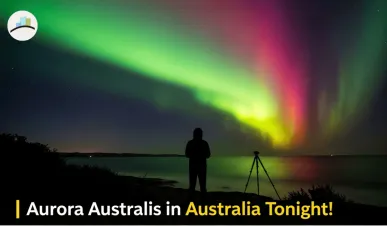
The Aurora Australis, often called the Southern Lights, is one of nature’s most breathtaking light shows. While the Northern Lights are more widely known, the southern version offers equally stunning displays across parts of Australia. Recent spikes in searches such as aurora australis perth, aurora australis perth tonight, aurora brisbane, and best time to see aurora australis show growing public interest in witnessing this rare phenomenon.
What Is the Aurora Australis
The Aurora Australis occurs when charged particles from the Sun collide with Earth’s magnetic field and atmosphere. These interactions release energy in the form of colorful light, creating glowing displays across the sky. The most common colors seen are green, pink, red, and purple.
This spectacle usually happens near the South Pole, but during periods of strong solar activity, it can be visible much farther north — even from southern parts of Australia.
Where to See the Aurora Australis in Australia
Although sightings can occur across different regions, some locations provide clearer and more frequent views of the Southern Lights.
1. Western Australia (Perth and South Coast)
In recent months, residents of Perth, Albany, and Esperance have reported rare but vivid displays of the Aurora Australis. When solar storms are strong, the aurora can extend further north, allowing parts of Western Australia to witness the glow.
2. Tasmania
Tasmania is the most reliable destination in Australia for viewing the Southern Lights. Its southern latitude, minimal light pollution, and clear skies during winter make it one of the best locations for aurora watchers and photographers.
3. Victoria and South Australia
Regions near the southern coastline, including the Mornington Peninsula, Apollo Bay, and Kangaroo Island, often experience occasional sightings during high geomagnetic activity.
4. New South Wales and Queensland
The query aurora brisbane reflects the growing curiosity about northern sightings. While rare, very strong solar storms can sometimes make the aurora faintly visible even from areas as far north as Brisbane or Sydney.
Best Time to See the Aurora Australis
The Southern Hemisphere’s winter months — from May to August — offer the darkest skies and longest nights, making them the best period for aurora visibility.
However, timing also depends on solar activity. The stronger the solar storm, the more intense and widespread the aurora becomes.
Ideal viewing conditions include:
-
A dark, clear sky with minimal cloud cover
-
Low light pollution
-
A location facing south
-
Monitoring space weather alerts for geomagnetic storm updates
The geomagnetic index, known as the Kp index, helps determine visibility strength. A higher Kp index (around 6 or 7) indicates a stronger chance of aurora activity visible from southern Australia.
How to Watch the Aurora Australis Tonight
When searches surge for aurora australis perth tonight, it usually means a solar event is happening. To increase your chances of witnessing it:
-
Check Aurora Forecasts – Follow real-time geomagnetic storm updates or aurora alert websites.
-
Choose the Right Location – Select dark sky spots with southern exposure such as Albany, Esperance, or Tasmania’s south coast.
-
Avoid City Lights – Move away from urban areas to reduce light interference.
-
Arrive Early and Stay Patient – The aurora can appear and fade quickly; allow at least an hour for optimal viewing.
-
Photography Tips – Use a camera with a tripod, long exposure settings (5–15 seconds), and high ISO levels to capture faint light colors.
Can You See the Aurora Australis from Brisbane?
Although it’s uncommon, exceptionally strong solar storms can make the Southern Lights visible from northern regions like Brisbane or Sydney. These occurrences are rare, so any sighting that far north is considered extraordinary. For consistent viewing, southern states remain the best option.
Aurora Australis vs Aurora Borealis
The Aurora Australis and Aurora Borealis are essentially the same phenomenon, occurring at opposite poles of the Earth. The Aurora Borealis lights up the northern skies near the Arctic, while the Aurora Australis appears near the Antarctic. Both are caused by the same interaction between solar particles and the planet’s magnetic field.



