
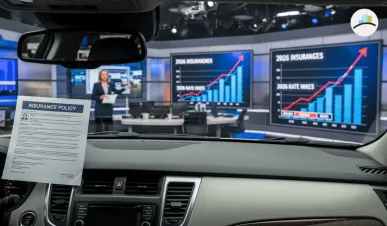
Car insurance rates in the United States are projected to rise sharply in 2026, marking what could become the costliest year yet for American drivers. Analysts warn that a combination of inflation, supply chain delays, and higher claim volumes is pushing premiums to historic highs — and there’s little relief in sight.
🚗 Why are car insurance premiums rising in 2026?
Experts cite three major drivers behind the anticipated premium surge:
-
Inflation & Repair Costs
Vehicle repair and parts replacement costs have soared over the past two years. With electric vehicles (EVs) and high-tech components becoming more common, even minor collisions can lead to thousands in damages. -
Severe Weather & Climate Risks
Climate-related disasters — from floods in Florida to hailstorms in Texas — have drastically increased auto insurance claim payouts. Insurers are now adjusting pricing models to account for “high-risk zones.” -
Higher Medical & Litigation Expenses
Legal and medical claim costs following accidents are climbing too, particularly in states with “no-fault” insurance laws such as Florida, Michigan, and New York.
MORE ARTICLES:
Which states may see the biggest jump?
According to early data, California, Texas, New York, and Illinois could face the steepest hikes — in some cases up to 20–25% compared to 2024 rates.
Meanwhile, states like Maine, Vermont, and North Carolina may experience smaller adjustments due to lower claim ratios and safer driving patterns.
How much more could drivers pay in 2026?
The average U.S. driver paid around $1,780 per year in 2024, but projections for 2026 range between $2,100 and $2,400, depending on coverage level and vehicle type.
Electric vehicle owners may face even higher premiums due to battery replacement costs and specialized repair needs.
How to reduce your car insurance costs
Drivers can still take steps to minimize their 2026 premiums:
-
Bundle policies: Combine auto and home insurance with the same provider.
-
Increase deductibles: A higher deductible can lower monthly premiums.
-
Use telematics programs: Many insurers offer discounts for safe driving tracked via apps.
-
Shop around annually: Compare quotes from at least 3–4 insurers before renewing.
The bigger picture
Insurance experts say 2026 will likely redefine how Americans approach auto coverage. With more data-driven pricing and AI-based risk models, companies are customizing rates like never before.
For drivers, this means one thing — loyalty may no longer pay off. Those who regularly switch providers and optimize their driving records could save hundreds annually.
Final Thoughts
As the U.S. economy adjusts to inflation and changing driving trends, car insurance remains a key cost burden for millions. While 2026 might be the most expensive year yet, smart planning and early policy adjustments can help drivers stay ahead of the curve.



