
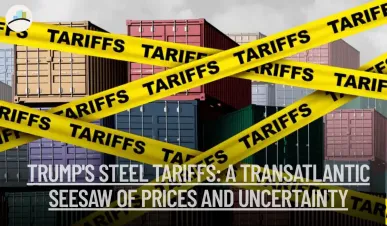
Trump's Steel Tariffs: A Rollercoaster for Steel Prices
Remember when Donald Trump slapped those hefty tariffs on imported steel? I mean, it felt like a huge deal at the time. And honestly, the ripple effects are still being felt, even now. The initial idea was to protect American steelmakers, boost domestic production, and create jobs. But, like many things with Trump's policies, it's proven to be a lot more complicated than that. It's one of those situations where you think you know what's going to happen, but the reality is way more nuanced.
One of the most interesting impacts – and frankly, something I didn't fully appreciate initially – is how it's affected steel prices in Europe and the US. We're seeing a kind of economic seesaw effect. I’ve been reading through a lot of trade reports and economic analyses, and the overall picture is really quite fascinating, if a little unsettling depending on who you are and where you live.
Europe: A Steel Price Plunge?
So, what's happening in Europe? Basically, the US is buying less imported steel. You'd think that would make things worse for the European steel industry and drive up prices there. But weirdly, the opposite seems to be happening in some sectors. With the US market – a major buyer of steel – less of a presence, European steel producers are finding themselves with a surplus. This increase in supply, coupled with reduced demand from the US (due to higher prices), could lead to a significant price drop. It's a complex web of supply and demand, and the picture isn't entirely clear yet. Some analysts argue that this oversupply won't last long, as European steel producers adjust their output to account for the decreased US demand. I, on the other hand, am finding it harder to get a clear picture of what’s going to happen. It all hinges on just how quickly the European market can adjust.
Also read on Procapitas
The US: Higher Prices and Uncertainty
Now, let's flip the coin and look at what’s happening domestically. Here in the US, we're seeing the expected result: higher steel prices. The tariffs, designed to make imported steel more expensive, are doing exactly that. And that’s impacting the cost of everything from cars to appliances. This is having a knock-on effect, making many manufactured goods more expensive, potentially impacting consumers' wallets and even slowing economic growth, which is what some economists fear. It's a perfect example of unintended consequences. While the intention may have been to protect American jobs, the price increases are affecting businesses and consumers, making some aspects of American life more expensive.
The Bigger Picture: Trade Wars and Economic Complexity
This whole situation is a reminder of how interconnected the global economy really is. Trump’s steel tariffs weren’t just a domestic policy decision; they sent shockwaves across the Atlantic. The reality is far more complex than simple headlines suggest. It highlights the unforeseen consequences that can result from protectionist trade policies. Experts are still debating the long-term effects – and quite frankly, we may not have a complete picture for years to come. What this does highlight is that international trade is a delicate balancing act, and seemingly simple actions can have very complicated and far-reaching effects.
Ultimately, the Trump steel tariffs provide a fascinating case study in the intricate dance between trade policy, global economics, and unexpected consequences. It's a story that's far from over.
Disclaimer: This article is for informational purposes only and should not be considered financial or investment advice. The information provided does not constitute a recommendation to buy, sell, or hold any specific security or asset. Investing in the stock market involves risk, including the potential loss of principal. Always conduct your own thorough research and consult with a qualified financial advisor before making any investment decisions.



