
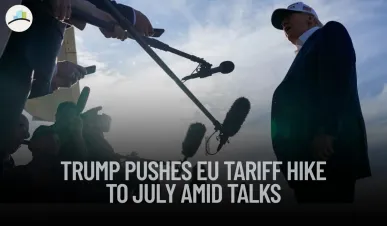
In a significant development in U.S.-EU trade relations, President Donald Trump announced on Sunday, May 25, 2025, that the United States would delay the implementation of a proposed 50% tariff on European Union imports. Originally set to take effect on June 1, the new deadline is now July 9, 2025. This decision follows a constructive conversation between President Trump and European Commission President Ursula von der Leyen, who had requested additional time to engage in serious negotiations.
Tariff Delay Signals Diplomatic Shift
The tariff delay marks a notable shift in the Trump administration's trade policy. Initially, the U.S. had threatened to impose the 50% tariff as a response to what it perceived as unfair trade practices by the EU. However, the recent dialogue between President Trump and President von der Leyen indicates a willingness on both sides to resolve trade issues through negotiation rather than unilateral measures.
President Trump characterized the phone call with President von der Leyen as "very nice," highlighting the positive tone of the discussions. The extension provides both parties with an opportunity to address outstanding trade concerns and work towards a mutually beneficial agreement.
Market Reactions to the Tariff Delay
Financial markets responded positively to the announcement of the tariff delay. The euro strengthened against the U.S. dollar, reflecting investor optimism about the potential for de-escalation in trade tensions. Additionally, stock markets experienced gains, with investors viewing the delay as a sign of improved diplomatic relations between the U.S. and the EU.
Economists suggest that the tariff delay could have broader implications for global trade dynamics. If the U.S. and the EU can reach a favorable agreement, it may set a precedent for resolving trade disputes through dialogue, potentially reducing the risk of trade wars and fostering a more stable international trade environment.
Ongoing Trade Negotiations
Despite the tariff delay, both the U.S. and the EU remain committed to addressing underlying trade issues. President von der Leyen emphasized the importance of serious negotiations and expressed hope that the additional time would lead to a comprehensive trade agreement. The European Union has indicated its readiness to engage in discussions on various trade matters, including market access, regulatory standards, and intellectual property protections.
The outcome of these negotiations will be closely monitored by global markets, as a successful resolution could enhance economic cooperation between two of the world's largest trading blocs.
Disclaimer:
This article is for informational purposes only and does not constitute financial or investment advice. Readers are encouraged to conduct their own research and consult with a licensed financial advisor before making any investment decisions.
Source Links:
More Articles:



