
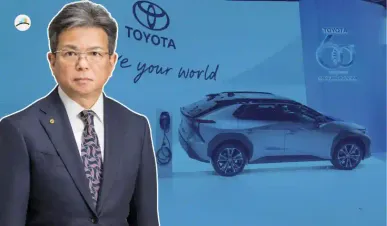
As global demand for electric vehicles continues to grow, Toyota is intensifying its investment in plug-in hybrid electric vehicles (PHEVs), aiming to balance battery-powered driving with traditional fuel efficiency. This strategic move reflects Toyota’s commitment to an all-encompassing approach toward reducing emissions while catering to evolving consumer preferences.
Plug-in Hybrids: Bridging Conventional and Electric Driving
Toyota’s PHEV lineup offers drivers a unique combination of electric-only range and gasoline backup. This flexibility addresses common concerns about electric vehicle range anxiety and charging infrastructure, especially in markets where full battery-electric vehicle (BEV) adoption faces hurdles.
By expanding its PHEV offerings, Toyota aims to serve both environmentally conscious consumers and those seeking practical, cost-effective alternatives to gasoline-only cars. The automaker’s technology allows for a smoother transition towards full electrification by leveraging existing hybrid expertise.
Market Dynamics and Competitive Landscape
The global shift towards stricter emission regulations and growing consumer awareness about climate change has accelerated the demand for cleaner vehicles. Toyota faces competition from companies heavily invested in BEVs, such as Tesla and Volkswagen, but its PHEV strategy targets customers wanting electric benefits without full dependence on charging stations.
In regions like the United States and Europe, where infrastructure is still developing, Toyota’s PHEVs offer an attractive middle ground. The company’s ability to integrate PHEVs seamlessly into its product line enhances its competitiveness in these key markets.
Future Outlook and Sustainability Goals
Toyota’s broader sustainability goals include achieving carbon neutrality by 2050. Expanding PHEV options is part of a multi-faceted plan that also embraces hydrogen fuel cell technology and BEVs. The company continues to invest in research and development to improve battery performance, reduce costs, and increase driving range.
Experts anticipate that PHEVs will play a critical role in the transition period as automakers and governments work to establish comprehensive EV infrastructure.
Source : https://www.cnbc.com/2025/05/28/toyota-plug-in-hybrid-evs-phev.html



