
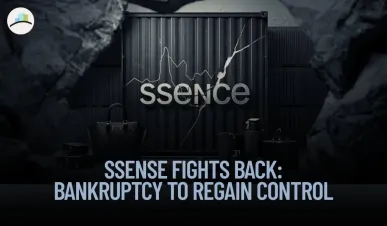
Ssense, the Montreal-based digital fashion retailer once hailed as a tastemaker in online luxury, is now seeking bankruptcy protection under Canada's Companies' Creditors Arrangement Act (CCAA). But this isn’t a story of failure—it’s one of recalibration.
Once celebrated for blending editorial-style content with a curated selection of high-fashion and streetwear, Ssense carved out a niche that few others dared to occupy. However, even innovative models aren’t immune to external shocks—and for Ssense, a combination of geopolitical shifts, rising operational costs, and creditor tension has pushed the company into survival mode.
What differentiates this filing is who initiated it: not its creditors, but Ssense itself. In what appears to be a preemptive legal maneuver, the company is trying to block a creditor-led sale and regain control of its restructuring narrative.
The Financial Pressures You Didn't Read About
While headline stories focus on Ssense’s debt or layoffs, what’s often overlooked is how deeply exposed the company was to changing trade dynamics—particularly U.S. tariff policies and the loss of favorable cross-border exemptions.
For years, Ssense thrived by leveraging Canada’s proximity to the U.S. and taking advantage of the now-defunct de minimis exemption. This allowed it to ship products worth under $800 into the U.S. without duties. But in 2025, those exemptions were pulled, and compounded by retaliatory tariffs on Canadian imports. The result? A sharp rise in shipping costs, slower customs clearance, and diminished pricing power in its most important market.
Internally, Ssense’s operational model wasn’t built for such a shock. With fulfillment still largely centralized in Canada and an international customer base expecting quick, duty-free delivery, the company found itself caught between global trade politics and an increasingly price-sensitive consumer.
MORE ARTICLES:
Culture, Curation, and the Creative Trade-Off
Unlike other luxury platforms that lean heavily on brand reputation, Ssense built its name through cultural curation—think viral editorials, unconventional product pairings, and giving a platform to emerging designers before they were “cool.”
This ethos earned them loyalty among Gen Z and millennial consumers who don’t just shop for brands—they buy into narratives. But with rising logistical costs and thinning margins, maintaining this creative identity while cutting back on operations has proven to be a challenge.
Behind the scenes, insiders suggest there’s been growing tension between Ssense’s artistic ambitions and financial sustainability. In a bid to protect both, the company opted to restructure rather than allow lenders to sell it off to the highest bidder—potentially dismantling the brand equity built over two decades.
What the Filing Really Means for the Luxury E-Commerce Sector
While the word “bankruptcy” usually sets off alarms, this is more about strategic containment than collapse. Filing under the CCAA gives Ssense breathing room to rework debts, renegotiate with suppliers, and chart a future on its own terms.
What’s less visible—but far more important—is how this move signals a broader shift in luxury e-commerce strategy. It’s no longer enough to be digitally native or culturally relevant; platforms need resilient infrastructure, multi-market supply chains, and operational agility in the face of rapid geopolitical and economic changes.
In this sense, Ssense might become a case study in how creative-first platforms must evolve to survive in a global economy where borders—and the rules governing them—are in constant flux.
they have chosen me as the face of ssense filing for bankruptcy pic.twitter.com/vC7XLEWUSF
— NOSFERATU (@madeforoutlook) August 29, 2025
What’s Next: Restructuring as a Second Act?
Now that the CCAA filing is active, the next few months will likely involve intense negotiations between Ssense, its creditors, and the courts. The company will need to present a viable restructuring plan that satisfies stakeholders while preserving its unique brand DNA.
Will that include new equity financing? Possible joint ventures? Perhaps a U.S.-based fulfillment center to bypass future trade frictions? Those decisions remain to be seen, but insiders suggest Ssense is already in talks with advisory firms to explore non-traditional capital partnerships that don’t compromise creative control.
For now, the company continues to operate its site and fulfill orders. Whether it can emerge as a leaner, more resilient version of itself may depend on how well it navigates the next 90 days—where strategy will matter just as much as survival.
Disclaimer:
This article is for informational purposes only and does not constitute investment advice or a recommendation to buy or sell any securities. Procapitas does not provide personalized financial advice. All investment decisions should be made in consultation with a licensed financial advisor. The information presented is based on publicly available sources and Procapitas’ independent research and analysis, which are believed to be reliable but are not guaranteed for accuracy or completeness.



