
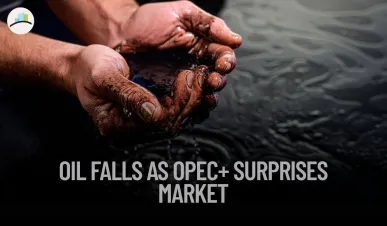
OPEC+ stunned energy markets on July 6 by announcing a sharp and unexpected increase in oil production for August, adding nearly 550,000 barrels per day. The move sharply diverged from the more cautious and incremental monthly hikes that characterized the bloc's post-pandemic policy. While Brent crude dropped by roughly 0.7% and West Texas Intermediate slid by over 1.4%, the real story lies in the strategic implications of this decision.
Saudi Arabia, the bloc’s de facto leader, appears to be abandoning its traditional revenue-maximizing role in favor of aggressively defending global market share. With global demand showing signs of plateauing and competition from U.S. shale and non-OPEC producers intensifying, the move signals a return to volume-driven strategy—even at the cost of lower prices.
More Articles:
Demand Fragility Undermines OPEC’s Confidence Claims
Despite statements from OPEC officials referencing a “steady global demand outlook,” recent data tells a different story. China’s crude oil imports have seen only marginal year-over-year growth of 0.3% in the first five months of 2025, and domestic stockpiles are increasing across several provinces. In the U.S., weakening industrial output and stagnant fuel consumption are compounding fears of oversupply.
On a macro level, analysts note that any gains in travel and industrial consumption are being eroded by broader structural shifts, including the rise of electric vehicles, higher fuel efficiency standards, and carbon-reduction mandates in key markets such as Europe and Southeast Asia. These forces are capping upside demand growth even in traditionally oil-thirsty regions.
The supply-demand imbalance is becoming more evident, with global inventories now trending above five-year averages. If this pattern holds, the oil market may be heading toward a supply glut by the fourth quarter of 2025.
U.S. Trade Uncertainty Amplifies Market Pressure
Adding another layer of volatility, the oil market is also reacting to the heightened uncertainty surrounding U.S. trade policy. The Biden administration's delay of the proposed Trump-era tariffs until August 1 has done little to calm investors. Market participants fear that the implementation of these tariffs—especially against BRICS-aligned countries—could hinder global trade volumes and economic growth.
Lower trade activity typically translates into reduced fuel consumption, particularly in the transport and shipping sectors. This geopolitical overhang is now factoring heavily into oil price forecasts, with many traders adopting a wait-and-see approach, further weakening speculative support for crude futures.
Oil Consumers May See Temporary Relief at the Pump
While producers and exporters are reeling, consumers may find a silver lining. The average U.S. gasoline price has declined by approximately 11% year-over-year, falling to around $3.16 per gallon. This downward trend is expected to continue if crude benchmarks remain soft or fall further.
Lower fuel prices could provide a short-term economic boost by reducing household transportation costs, especially during the summer driving season. However, the benefits may be short-lived if prices rebound due to geopolitical instability, unexpected supply disruptions, or OPEC+ policy reversals.
Strategic Calculus: Why Saudi Arabia Is Prioritizing Volume Over Value
The strategic logic behind Saudi Arabia’s aggressive supply move seems rooted in long-term market dynamics. Riyadh is likely aiming to pre-empt a deeper erosion of market relevance in the face of evolving energy trends. By flooding the market now, Saudi Arabia may be looking to reassert dominance, squeeze out higher-cost producers, and delay investment in alternatives like renewables and EV infrastructure.
This strategy mirrors the playbook used during the 2014–2016 oil price war, when Saudi Arabia allowed prices to crash to weaken North American shale producers. However, this time, the stakes are even higher. The world is not only seeing an energy supply race but also a fundamental shift in consumption behavior. As decarbonization policies accelerate globally, the window for oil producers to extract value is narrowing.
Oil drops as larger OPEC+ supply increase raises glut concerns - Moneyweb https://t.co/7GgluOJXwC
— News Prime Share (@NewsPrimeShare) July 7, 2025
Outlook: Surplus Risk Ahead Unless Production Discipline Returns
Several analysts, including those at Goldman Sachs and ING, are warning that if OPEC+ continues its aggressive supply trajectory into September, the market could tip into a sustained surplus. Forecasts suggest Brent could slip below $60 per barrel in the fourth quarter—unless a course correction is made.
OPEC+ has signaled flexibility and a willingness to adjust course based on market signals. However, whether that will translate into a production freeze or a strategic reversal remains uncertain. The next OPEC meeting, scheduled for late August, will be pivotal in determining how the group navigates this high-stakes balancing act between revenue needs and market share ambitions.
Disclaimer
This article is based on open-source reporting and publicly available statements by political leaders and economic analysts. The interpretations and perspectives presented are the author’s own and are intended for informational purposes only. Readers should consult official trade policy documentation and economic advisories for formal guidance.



