
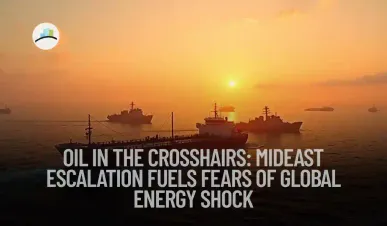
A sudden flare-up in the Middle East has thrust oil back into the spotlight as geopolitical tensions threaten to upend global energy markets. Over the weekend, Israeli airstrikes reportedly targeted Iranian nuclear infrastructure and energy sites, including a key oil terminal and a natural gas field. The strikes have triggered sharp volatility in oil prices and prompted warnings from market strategists about the broader implications.
According to RBC Capital Markets, oil is now “squarely in the crosshairs,” and any further escalation could propel crude prices toward $100 or more—a level not seen since the peak of the post-pandemic supply squeeze.
Israeli Strikes Ignite Market Jitters
The latest Israeli offensive, though unconfirmed by both parties in full, was believed to have targeted Iranian facilities critical to the country's energy and nuclear ambitions. While Iran has yet to issue a formal response, tensions have been rising over the past several weeks, marked by tit-for-tat drone attacks, naval threats, and heated diplomatic exchanges.
More Articles:
Traders reacted swiftly. Brent crude surged to $75.10 a barrel in early Monday trading, while West Texas Intermediate (WTI) rose to nearly $73. The immediate rally marked the largest single-weekend spike in oil prices in over a year.
Markets are also factoring in the possibility of retaliation by Iran or its regional proxies, including disruptions to shipping through the Strait of Hormuz, a chokepoint for over one-fifth of global oil flows.
Strategic Risks: Strait of Hormuz in Focus
The Strait of Hormuz has long been a pressure point for global energy security. Any disruption in tanker movements through the narrow waterway could send shockwaves through supply chains and lead to price spikes across global energy markets.
RBC noted that "Even a perceived threat to the free flow of oil through Hormuz can have psychological effects that rapidly push prices higher.” In previous crises, such as during the 2019 tanker attacks and U.S.-Iran standoffs, oil briefly spiked by 10–15% within days, only to stabilize once military action de-escalated.
The U.S. Navy’s Fifth Fleet has increased surveillance in the region, while the International Energy Agency (IEA) has stated it is “monitoring developments closely” and stands ready to deploy emergency reserves if needed.
Energy Markets on Edge
While the oil rally has so far been contained, analysts warn the situation is fluid and highly reactive. Any miscalculation could ignite broader conflict, dragging neighboring countries like Lebanon, Syria, or Saudi Arabia into a proxy confrontation.
OPEC+ members have so far refrained from adjusting their output quotas, though insiders report contingency planning is underway. If prices continue to climb, oil-importing economies like India, Japan, and several EU nations may face renewed inflationary pressures.
Central banks that had begun considering rate cuts may now delay easing amid oil-fueled cost-of-living concerns. Airline and logistics stocks dropped slightly in early trading, while energy and defense equities gained across European and Asian markets.
Expert View: Short-Term Spike or Structural Shift?
RBC and other market analysts remain divided on whether the current rally represents a short-term geopolitical shock or a more sustained structural shift. Much depends on whether Iran retaliates directly or employs asymmetric warfare tactics to disrupt oil routes or cyber-target regional refineries.
Historically, geopolitical spikes have proven temporary unless matched by real supply disruptions. However, the broader energy market context has shifted. With OPEC+ production already tight and U.S. shale growth slowing, the world has less spare capacity to absorb shocks.
In a recent report, Barclays warned that “prolonged uncertainty or a single major disruption event could trigger a supply shock similar in magnitude to 2008.”
🚨Oil market braces for supply risks as Middle East tensions escalate.
— Susan Sakmar (@SusanSakmar) June 15, 2025
🔹Goldman sees oil spiking to over $90/b if export assets are hit
🔹Brent gives up some gains after soaring over $78/b on Middle East escalation
🔹Weak fundamentals seen keeping Brent under $60/b further out… pic.twitter.com/ADOAhnEsVK
Implications for Policymakers and Investors
For governments, the escalation highlights the persistent fragility of global energy security in an age of geopolitical volatility. The G7 energy ministers are expected to hold an emergency call later this week, according to EU sources.
Investors are adjusting portfolios toward safe-haven commodities, gold, and energy stocks. Goldman Sachs raised its short-term oil target by $5, citing geopolitical risk premiums.
Consumers, meanwhile, should prepare for higher fuel costs in the coming weeks. Several UK and EU fuel distributors have already revised pump prices upward in anticipation of tighter supply and logistical bottlenecks.



