
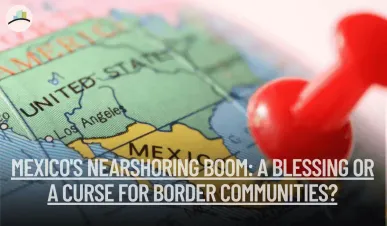
Mexico's Border Boom: Nearshoring Keeps Rolling In
So, I've been digging into this whole nearshoring thing happening down in Mexico, specifically along the border. And honestly, it's a bit of a mixed bag. The headlines scream about a flood of investment, companies relocating from Asia and even the US, looking for cheaper labor and easier supply chains. You hear about all these new factories popping up, creating jobs – which is great, right? But the reality on the ground is a little more nuanced. It’s not just about the big picture numbers; there’s a lot of local impact to consider, both positive and negative.
I talked to a few folks in Tijuana last week – a business owner, a factory worker, and a local economist. The business owner was thrilled. He’s seen a massive increase in demand for his services, supplying parts to these new factories. He's expanding, hiring more people. It’s a real success story. The factory worker’s story was a little different. While he had a job, the wages weren't great, and the hours are long. He hopes things will get better, but right now, it's a struggle to make ends meet. The economist painted the broadest picture, talking about infrastructure challenges, the need for more skilled workers, and the potential for uneven development, benefiting some areas more than others. It’s clearly a complex situation.
The Winners and Losers of Nearshoring
It feels like there’s a real unevenness to this economic boom. Some communities are experiencing a genuine renaissance, with new factories bringing jobs and investment. But others are struggling to keep up. Infrastructure – roads, power grids, water – are often inadequate to support the sudden surge in activity. It’s leading to bottlenecks and inefficiencies, hindering the potential for even greater growth. It's also highlighting the need for better training and education programs to prepare the workforce for these new jobs, which often require specialized skills. You can see a real divide forming between those who are equipped to benefit and those who are left behind.
One thing that's pretty clear is that this isn't just a short-term trend. The shift in manufacturing and supply chains is probably here to stay. So, figuring out how to manage this growth responsibly is key – ensuring everyone benefits, not just a select few. We're talking about everything from improving infrastructure to addressing worker rights and ensuring equitable distribution of wealth.
Challenges and Uncertainties
There's a lot of uncertainty swirling around the long-term effects of nearshoring. Environmental concerns are a big one. Increased industrial activity will inevitably lead to more pollution and strain on resources unless sustainable practices are implemented aggressively. Then there's the issue of potential disruptions. Any reliance on a single region for manufacturing leaves a company vulnerable to political instability or natural disasters. And the question of whether these jobs really are "good" jobs, or just low-wage, labor-intensive positions, remains open. The long-term impact on Mexico's economy and society is still largely unknown. More research and monitoring are crucial to fully grasp the benefits and costs.
I think it's important to watch this story unfold carefully. It's not a simple case of good news or bad news. It's a dynamic situation with a lot of potential, but also significant risks. The next few years will be crucial in determining whether this nearshoring wave genuinely lifts all boats or widens the existing inequalities. I'll be keeping a close eye on things, and I'll keep you updated.
Disclaimer:
This article provides general information and commentary on the topic of nearshoring investments in Mexico. It is not intended as financial advice. Any investment decisions should be made after consultation with a qualified financial advisor. The information contained herein may not be entirely accurate and should not be taken as gospel. Always conduct your own thorough research before making any investment choices.



