
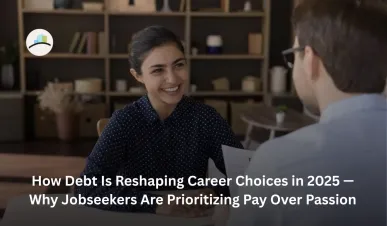
People Are Choosing Jobs Based on Debt—Not Just Passion Anymore
Lately, it seems like more and more people are picking jobs not because they love them, but because they just have to. And honestly? It's all coming down to debt. Whether it's student loans, credit cards, or rent that keeps going up—people just don’t have the freedom to wait around for their dream job anymore.
There was this expert talking on CNBC the other day, and she said something that really stuck — debt is starting to shape people's careers. That sounds intense, but think about it: if you're drowning in bills, you're probably not going to hold out for a job you actually enjoy if there’s one that pays better right now, even if it’s boring or totally unrelated to what you studied.
It’s not even about being irresponsible with money. The cost of living is just so high. You’ve got groceries going up, rent climbing, interest rates not helping, and everything from medical bills to student loans piling up. People are just trying to survive.
Read More:
Why Debt is Making People Change Career Plans
A lot of folks—especially younger workers—are feeling like they don’t have options anymore.
Here’s what we’re seeing:
-
Almost 4 in 10 workers in the U.S. say their career decisions are affected by debt.
-
For Gen Z and millennials, the number is even higher — over 50% of them are feeling that pressure.
-
Many are working second jobs or picking up side gigs just to keep up with their bills.
-
Some people are even staying in jobs they don’t like because they’re scared to risk losing steady pay.
Basically, it’s becoming really common for people to take a job just because it pays enough—not because it’s something they’re excited about. And yeah, that makes sense, but it also means a lot of people might end up stuck or burnt out in the long run.
What’s Changing in the Job Market Because of This
So, here’s something interesting—it’s not just people who are adjusting. Companies are starting to notice too. Employers are realizing that a lot of candidates are stressed about money, and they’re starting to offer things like
-
Loan repayment help
-
Mental health support
-
Flexible working hours or hybrid options
-
Pay that actually matches the cost of living (well, some are trying)
There’s also been a rise in part-time work, freelance jobs, and gig work. A lot of people are doing these just to fill the gaps or keep their heads above water. It’s not ideal for everyone, but it gives them at least some control over their schedule and income.
Work is transforming.
— GC Cooke (@GCcookeHQ) May 21, 2025
Instead of mass unemployment, we're seeing new hybrid roles emerge.
AI trainers, experience designers, and AI team orchestrators command premium pay while purely technical roles face pressure.
What skills will matter most in this new reality? pic.twitter.com/XYfCy7spPA
What This Means for the Future
Honestly, it’s hard to say how this all plays out. But one thing’s clear — if debt keeps growing and people keep feeling like they don’t have breathing room, we’re going to see more people picking jobs they have to take, not the ones they want to take.
And that can cause problems later:
-
People get stuck in careers they don’t enjoy
-
Burnout becomes more common
-
It’s harder to upskill or switch paths
-
Job satisfaction drops, and mental health takes a hit
That’s not just a personal issue—it affects the whole economy. If people can’t grow in their careers or feel stable, productivity takes a hit too. So maybe it’s time we start talking about this more—not just about budgeting better, but about how the system itself might need fixing.



