
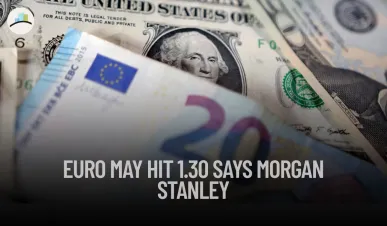
Morgan Stanley projects the euro could rise to as high as 1.30 USD within the next year, powered not just by macroeconomic factors, but by large-scale hedging flows coming from European institutions. This forecast reflects a structural shift in FX market dynamics. Unlike past dollar downturns triggered by cyclical trends, the current pressure on the dollar is more technical—coming from a wave of euro purchases in the forward market by pension funds, asset managers, and insurance companies.
European investors with substantial U.S. asset exposure are now seeking to protect against dollar depreciation by locking in favorable euro conversion rates. These hedging actions are not speculative; they’re strategic, often with 6- to 12-month horizons. This consistent, large-volume demand for euros is expected to act as a powerful upward force on the EUR/USD pair.
More Articles:
Dollar Weakness Accelerated by Rate Cut Expectations
Morgan Stanley’s outlook is underpinned by a broader bearish view on the U.S. dollar. The firm expects the U.S. Federal Reserve to reduce interest rates by up to 175 basis points between now and mid-2026. Lower U.S. rates would make dollar-denominated assets less attractive to global investors, especially in comparison to eurozone yields, which are now comparatively stable.
Coupled with slowing U.S. GDP growth and persistent fiscal deficits, these rate cuts are likely to push the Dollar Index down by 9%, reaching levels not seen since before the pandemic. The weakening of the dollar provides the macroeconomic backdrop that aligns with, and further amplifies, the technical drivers of euro appreciation.
Structural Positioning Shifts Are a Game-Changer
What makes this rally particularly notable is its foundation in real-money flows. These are not fleeting trades by hedge funds, but deliberate actions by some of Europe’s largest institutional investors. Countries such as the Netherlands and Germany have been at the forefront of this hedging trend, reallocating reserves and pension fund exposures away from unhedged U.S. assets.
Additionally, central banks across Asia and the Middle East are increasingly adopting the euro as a diversification tool in their foreign exchange reserves. This reflects both a long-term decline in U.S. yield advantages and rising geopolitical considerations.
These position shifts suggest that the current uptrend in the euro is not just a reaction to the news cycle, but part of a deeper rebalancing of capital flows on a global scale.
Euro Could Breach 1.30 in a Bullish Case
Morgan Stanley’s base case sets the euro at 1.25 by mid-2026, with a bullish case extending to 1.30 or even slightly higher. This would represent a nearly 15% appreciation from recent levels.
What would drive the euro into this bullish territory? According to the firm, a combination of:
-
Persistently strong hedging flows
-
Faster-than-expected Fed rate cuts
-
Continued inflation moderation in Europe
-
Stabilization of energy costs, which heavily influence the eurozone trade balance
Such a scenario would likely lead to portfolio managers and sovereign funds reallocating further capital into euro-denominated assets, accelerating the feedback loop.
Bloomberg: Morgan Stanley sees further upside for the euro, eyeing a move beyond $1.30.
— Menthor Q (@MenthorQpro) July 16, 2025
Why? $3.6T in unhedged US assets held by EU investors = potential $400B in hedge flows.
As Fed cuts loom & dollar volatility rises, euro hedging could pack a punch. pic.twitter.com/hOjz3HqaVt
Portfolio Implications for Global Investors
A rising euro would significantly affect cross-border investment strategies:
-
Euro-hedged equity portfolios would likely outperform unhedged positions in a falling dollar environment.
-
Multinational corporations based in Europe may see improved margins as their dollar costs shrink.
-
Exporters in the U.S. may face a tougher environment as a stronger euro improves price competitiveness for European goods.
Moreover, currency strategists note that carry trades may tilt in favor of funding positions in euros to finance purchases in higher-yielding markets—an inverse of the historical dollar funding model.
Disclaimer:
This article is intended for informational purposes only and does not constitute investment advice. Procapitas does not provide personalized financial recommendations. Always consult a licensed financial advisor before making investment decisions. Information is based on publicly available sources as of June 2025 and Procapitas’ independent research and analysis.



