
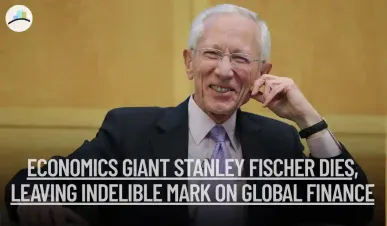
Stanley Fischer: A Giant in Economics Passes Away
Honestly, I was really saddened to hear about the passing of Stanley Fischer. He was such a huge figure in the world of economics, and his influence will be felt for decades to come. It’s one of those moments where you realize how much one person can shape global financial systems. I mean, this isn't just some academic whose ideas stayed within the ivory tower. Fischer worked at the highest levels, shaping real-world policy, and he had a real impact on millions of people’s lives. I remember reading his work back in college — it was challenging, sure, but incredibly insightful. The news felt especially poignant this morning.
A Life Devoted to Finance and Policy
Fischer's career spanned decades and continents. He held prominent positions at the International Monetary Fund (IMF), the Bank of Israel, and, most notably, as Vice Chairman of the Federal Reserve under Janet Yellen. He wasn't just a theorist; he was a doer. You know, someone who could take complex economic ideas and translate them into practical policies that impacted real people's lives. That’s what made him so remarkable. He tackled everything from inflation to financial crises, leaving an indelible mark on global monetary policy. He was a true giant in the field, respected by economists across the ideological spectrum. His work on inflation targeting, for instance, became a cornerstone of central banking strategies worldwide. It’s truly the end of an era.
Remembering His Legacy: More Than Just Numbers
Beyond his impressive resume, what struck me most about Fischer was his commitment to clear, concise communication. He could explain even the most complicated economic concepts in a way that anyone could understand. He was incredibly approachable and passionate about his work. I've read several tributes already, and many people keep mentioning his ability to bring people together, regardless of their backgrounds or perspectives. In a field often dominated by fierce debate, his ability to foster collaboration was exceptionally valuable. His contributions extended beyond formal policy; he played a major role in mentoring and inspiring the next generation of economists. Many current leaders in the field credit him as a key influence in their own careers.
A Lasting Impact on the Global Economy
The world of finance feels a bit… emptier, today, I think. It's hard to quantify the exact impact of his work, but it's safe to say that his ideas and policies shaped the global economy in profound ways. His influence on international monetary policy, his leadership during times of financial turmoil, and his lasting contribution to economic thought will continue to be studied and discussed for years to come. I have a feeling that future generations of economists will be analyzing his work and learning from his contributions. The sheer scale of his impact is really quite remarkable. It’s a huge loss for the field, and for the world.
Disclaimer: This article is for informational purposes only and does not constitute financial advice. Investing in the stock market involves risk, and you could lose money. Consult with a qualified financial advisor before making any investment decisions.



