
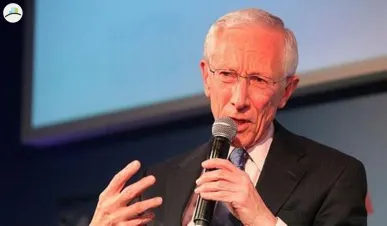
Stanley Fischer: A Giant in Economics, Gone Too Soon
Honestly, hearing about the passing of Stanley Fischer hit me hard. He was such a significant figure in the world of economics, and his influence is just everywhere you look, you know? I mean, this isn't just some minor economist; this is a guy who held incredibly powerful positions, impacting global financial systems. The news felt…surreal. I spent the morning rereading some of his work, trying to process it all. It’s strange to think he's no longer with us. It felt like he'd be around forever, shaping policy and guiding central banks.
A Life Dedicated to Global Finance
Fischer's career spanned decades, and he was involved in some seriously pivotal moments in economic history. From his academic work at MIT and the University of Chicago to his time as First Deputy Managing Director of the International Monetary Fund (IMF) and then Vice Chairman of the U.S. Federal Reserve, his influence is undeniable. He helped shape policy responses to major financial crises, and his insights into inflation, exchange rates, and economic growth were—and still are—highly respected and often referenced. It's a legacy that's hard to truly encapsulate in a single article. Think about it: his impact on the stability of global financial markets, his mentorship of countless other economists, and his significant contributions to economic theory. This isn't just about remembering a name; it's about recognizing the lasting impact of a truly remarkable individual.
He wasn't just a brilliant theorist, either. He was known for his ability to communicate complex economic ideas clearly and concisely—a skill that's rare but so essential, especially in the high-stakes world of international finance. His down-to-earth nature, despite his incredibly impressive accomplishments, made him all the more respected. He was, in many ways, an accessible intellectual giant.
Remembering His Contributions and Legacy
Trying to sum up his contributions in a short paragraph feels… insufficient, I'll admit. His influence on monetary policy alone is massive, shaping the way central banks around the world manage inflation and interest rates. Beyond the technical aspects of his work, his intellectual honesty and commitment to public service stand out. He wasn't afraid to challenge conventional wisdom, and he consistently prioritized sound economic policy over political expediency. That kind of integrity is something we need more of, I think. It's a reminder of the importance of thoughtful, evidence-based decision-making, especially in areas that affect everyone’s lives.
His death, quite frankly, leaves a void. It's a loss not just for the world of economics but for anyone who values intellectual rigor, public service, and, honestly, just plain decency. He was a role model for many, inspiring countless economists and policymakers to pursue their own careers with the same dedication and integrity. His legacy will live on through his writings, his students, and the countless individuals whose lives he touched.
The Lasting Impact
Even as I write this, I'm still grappling with the significance of his passing. It's hard not to feel a sense of loss, a recognition that the world is a little less bright without his presence. I feel like his absence will be felt for a very long time in academic circles, in policy-making discussions, and in the lives of all those who knew him personally or followed his work. His contributions to economic thought and policy will be studied and debated for generations to come. He’s left a profound legacy that will shape our understanding of economics for years to come.
It’s a sad day, but it’s also a day to reflect on the extraordinary life and career of Stanley Fischer and the impact he had on the world.
Disclaimer: This article is for informational purposes only and does not constitute financial advice. Investing in the stock market involves inherent risks, and past performance is not indicative of future results. Consult a financial professional before making any investment decisions.



