
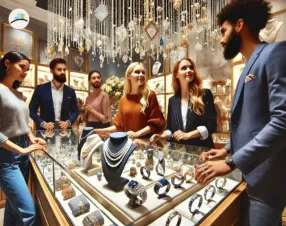
The glimmer of diamonds and allure of gold have long captivated affluent buyers, but today's luxury consumer is not dazzled by sparkle alone. As global economic shifts reshape spending behavior, high-net-worth individuals are becoming more thoughtful about how—and where—they spend their money on fine jewelry.
The current trend reflects not a decline in wealth, but a transformation in how the wealthy define value. It's no longer just about price tags and carat counts. For today’s luxury shopper, the brand behind the piece matters just as much—if not more—than the piece itself.
Prestige Over Impulse: The Psychology of the Affluent Shopper
Where once impulse-driven splurges defined the luxury jewelry market, now a different psychology is at play. Buyers are no longer looking for just any necklace, bracelet, or ring—they want to know who made it, why it matters, and whether it reflects their values and status.
This isn’t about being frugal. It’s about being intentional.
Affluent shoppers are investing in brands that have built trust over decades or centuries. They look for symbols of legacy, craftsmanship, and exclusivity. Whether it’s a Cartier Love bracelet or a rare piece from Van Cleef & Arpels, the brand name must resonate with history and status. Mass appeal is less attractive than curated rarity.
The New Luxury Equation: Storytelling, Heritage, and Craftsmanship
In this evolving narrative, storytelling is no longer a marketing gimmick—it’s the cornerstone of brand loyalty in the luxury space. A jewel with a compelling history or a piece crafted using centuries-old techniques stands out more than flashy marketing.
High-end shoppers are turning toward pieces that not only match their aesthetic tastes but also feel meaningful. There is growing interest in sustainable sourcing, artisanal techniques, and culturally rooted designs. Simply put, prestige now requires substance.
Economic Uncertainty Fuels Cautious Confidence
Interestingly, economic uncertainty isn’t halting spending among the wealthy—it’s refining it. Rather than cutting back entirely, shoppers are evaluating purchases more carefully. Luxury jewelry is still seen as a stronghold of value—an investment that retains cultural and monetary worth.
Retailers who understand this are pivoting their strategies accordingly. They are not just selling jewelry; they are selling the legacy behind it. Brand transparency, personalized service, and an elevated in-store or online experience are all essential to keeping wealthy customers engaged.
What This Means for the Future of Luxury Retail
As the market matures, the brands that thrive will be those that maintain authenticity while evolving with their customers. Simply offering luxury is no longer enough. Buyers want to be part of a story, a tradition, a legacy.
Retailers must double down on their heritage, highlight their craftsmanship, and continuously evolve how they engage with their most discerning clientele. Building trust, offering tailored experiences, and communicating brand integrity are now just as important as the diamonds themselves.
For deeper insights, you can read the full CNBC report here.



