
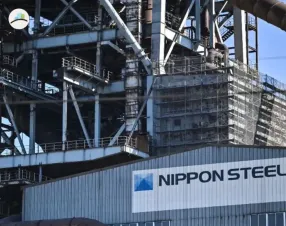
Donald Trump has expressed conditional support for the $14.9 billion acquisition of U.S. Steel by Japan’s Nippon Steel, stating he would allow the deal only if control of the company remains within the United States.
The proposed deal, which would see one of America’s most iconic manufacturers shift to foreign ownership, has triggered a national debate. While Nippon Steel has committed to maintaining U.S. operations, jobs, and headquarters in Pittsburgh, concerns remain over national security and economic sovereignty.
Nippon Steel’s proposal in detail
The Japanese steelmaker plans to invest a total of $14 billion in U.S. operations, with $4 billion earmarked for a new domestic steel mill. The company has assured regulators and unions that it will honor all labor agreements and keep U.S. Steel’s branding, workforce, and executive leadership intact.
Yet despite these assurances, the deal has run into stiff opposition from labor unions and political leaders.
Labor unions voice strong opposition
The United Steelworkers Union has openly opposed the acquisition. Their concern lies not just in who owns the assets, but in the long-term implications for American workers. Union representatives argue that foreign ownership could threaten job security, reduce domestic influence over pricing and production decisions, and ultimately erode American competitiveness.
Trump’s statement echoes this sentiment, signaling that although foreign investment is welcome, it must never compromise U.S. control in key sectors.
CFIUS and the national security angle
The Committee on Foreign Investment in the United States (CFIUS) has completed its initial review of the Nippon–U.S. Steel deal and submitted its findings. Trump now has 15 days to either approve the transaction, extend the review, or reject the merger altogether.
The review’s timing adds complexity as global trade relationships tighten and strategic industries become focal points in geopolitical tension.
Political pressure ahead of a final decision
Though out of office, Trump’s comments still carry weight. His America First philosophy continues to shape political discourse, especially in areas like manufacturing and trade. By asserting that he would only approve the deal with strict guarantees of U.S. control, he is drawing a clear boundary between economic openness and national interest.
This move may influence not just the outcome of this deal, but how future foreign investments are handled in sectors tied to defense, infrastructure, and energy.
What this means for the global steel industry
This merger, if approved under conditions, could lead to a rare blend of global capital and domestic regulation. Nippon Steel may bring technological advantages, but it will need to meet high political expectations and regulatory scrutiny.
With America focused on revitalizing its infrastructure, steel remains a foundational industry — and who controls it matters more than ever.
Source
Trump says U.S. will control U.S. Steel as part of Nippon deal
https://www.reuters.com/business/trump-says-us-will-control-us-steel-part-nippon-deal-2025-05-26/