
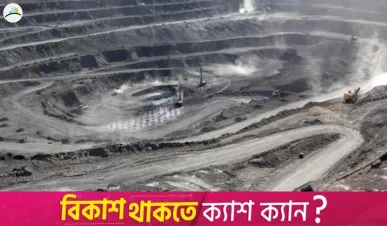
The Car Industry's in a Jam: A Rare Earth Shortage is Hitting Hard
Okay, so you've probably heard whispers about supply chain issues here and there. But this one feels different. The auto industry – you know, the folks who make our cars – is sounding the alarm about a serious shortage of rare earth minerals. And honestly, it's starting to look pretty scary. We're not just talking about a minor hiccup; this could really impact car production, and that means prices and availability for us, the consumers. It's a big deal.
These rare earth minerals aren't your everyday materials. We're talking about things like neodymium, praseodymium, and dysprosium. They might sound like something from a sci-fi novel, but they're crucial components in many car parts, particularly electric vehicle (EV) batteries and various advanced electronics. Think about your car's electric motor, its hybrid system, or even certain safety features – many rely heavily on these materials. The problem? Most of the world's supply is concentrated in a few countries, mainly China, creating a potentially huge vulnerability.
Why is this a big deal, exactly?
I mean, we’re talking about potentially stalled production lines, increased car prices, and longer wait times for new vehicles – both gas-powered and electric. The impact could ripple through the whole economy. It's not just about EVs, either. Even regular cars are increasingly reliant on these materials for various high-tech components. And it's not just a future problem; manufacturers are already feeling the pinch. Some are reporting delays, and the uncertainty is causing a lot of anxiety in the industry. This isn't just about electric cars; it's about a whole range of vehicles.
Several car manufacturers have already started issuing warnings. Some are openly discussing the possibility of production cuts. Others are quietly scrambling to diversify their supply chains – to find new sources for these rare earth minerals. The problem is, it's not easy to just switch suppliers overnight. It takes time, investment, and often involves navigating complex international trade relationships.
What can we expect in the future?
Predicting the future is tricky, but experts are warning that this situation could get worse before it gets better. The demand for EVs is exploding, and that means the need for these rare earth minerals is growing exponentially. Unless we find new, reliable sources or develop alternative technologies, the shortage could become a major crisis. This isn't just about car prices; it's about the whole auto industry's stability. It could affect our access to vehicles and impact the economy at large.
There are a few potential solutions being explored. One is to increase recycling efforts to recover rare earth minerals from old electronics and vehicles. Another is to develop new materials that can replace rare earths in certain applications. It's a complex problem with no easy answers. Ultimately, this will require governments, industries, and researchers to work together to find sustainable and diverse sources of rare earth minerals and to develop technologies that reduce reliance on them. It's going to be a bumpy ride for a while, I fear.
What can consumers do?
For now, the advice for consumers is to be prepared for potentially higher prices and longer wait times when buying a new car. It's also a good idea to stay informed about developments in the rare earth market, as it could have a significant impact on your ability to buy a car in the near future. And perhaps start thinking more seriously about the life cycle of your next car – how it will be responsibly recycled once its lifespan ends.
Disclaimer: This article provides general information and should not be considered financial or investment advice. The information presented is based on publicly available data and expert opinions, and it reflects the author's interpretation and does not constitute an endorsement of any particular company or strategy. Investing in the stock market always involves risk, and past performance is not indicative of future results. Consult with a qualified financial advisor before making any investment decisions.



