
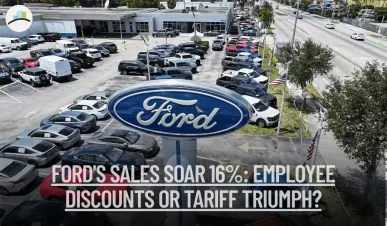
Ford's Big Sales Jump: What's the Deal?
So, Ford just announced a 16% sales increase in May, and honestly, it's got everyone talking. This is pretty huge news, especially given the current economic climate. We're seeing a lot of uncertainty out there, with inflation still a concern and interest rates impacting consumer spending. But Ford seems to have bucked the trend, and that's definitely worth digging into. My first thought was, "Wow, what's their secret?" And that's what I've been trying to figure out.
Employee Pricing and the Impact
One of the main factors driving this sales surge seems to be Ford's employee pricing program. They offered significant discounts to their employees, and word spread like wildfire. This created a huge boost in demand, not just from employees themselves, but also from their friends and family who heard about the deals. This isn't unheard of, of course. Companies sometimes run these kinds of promotions to clear out inventory or boost sales during a slow period. But the sheer scale of the impact in this case is notable. It really shows the power of targeted incentives in a market that's, let's be honest, a bit jittery right now. It's also worth noting that while these programs might boost short-term sales, their long-term effects on brand image and pricing strategy need to be carefully considered. Will this impact the value of Ford vehicles in the long run? Only time will tell.
Also read on Procapitas
Tariffs and the Automotive Market
Now, the other elephant in the room is tariffs. The automotive industry is highly sensitive to trade policies, and changes in tariffs can significantly impact production costs and pricing. While Ford hasn't explicitly stated the exact impact of tariffs on their May sales, it's likely a contributing factor. Many experts believe that the current global economic situation, alongside ongoing trade tensions, continues to affect the pricing and availability of components. It's a complex picture, you know? You have to consider the cost of raw materials, shipping costs, and potential supply chain disruptions alongside the direct impact of tariffs. It's a fascinating interplay of global economics and domestic consumer behavior. The increase may, in part, be a response to pent-up demand resulting from previous shortages and price adjustments related to tariffs. Deciphering the exact impact requires a much deeper dive into the company's financial reports.
Looking Ahead for Ford
So, what does this all mean? Well, for Ford, it's definitely good news. A 16% jump in sales is a substantial win. It suggests that their strategies – the employee pricing, their broader product line and their navigation of the tariff landscape – are working, at least for now. But it’s too early to declare a full-blown recovery for the industry as a whole. The long-term impact of the factors mentioned above still needs to be fully assessed. Experts will be closely watching Ford's performance in the coming months to see if this impressive increase is sustainable. For consumers, it highlights the impact of incentives and the importance of shopping around for the best deals. And for the broader auto industry, it serves as a reminder of the resilience and adaptability needed to navigate an ever-changing global marketplace.
Disclaimer: This article is for informational purposes only and does not constitute financial advice. Investing in the stock market involves risk, and past performance is not indicative of future results. Consult with a qualified financial advisor before making any investment decisions.



