
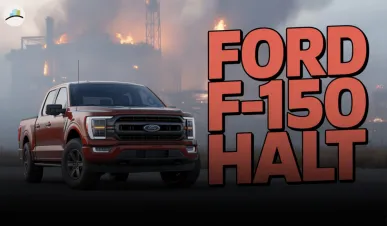
Ford Faces Up to $1 Billion Loss Following Novelis Aluminum Plant Fire
A major fire at Novelis' aluminum plant in Oswego, New York, has significantly disrupted Ford Motor Company's production of its flagship F-150 truck. The fire, which occurred on September 16, 2025, destroyed the plant's hot mill—a key facility that produces aluminum sheets essential for vehicle manufacturing. The plant is expected to remain closed until early 2026 as efforts to restore operations continue.
News: The fire at Ford's New York aluminum plant is expected to affect F-150 production and could cause Ford an estimated earnings loss of $1 billion. @Ford
— AJ (@alojoh) October 8, 2025
That's the second material aluminum plant fire for Ford in just the last 6 years. pic.twitter.com/Yna6W5HWoA
MORE ARTICLES:
Impact on Ford's F-150 Production
Ford relies heavily on aluminum for its F-150 trucks, which use aluminum body panels to reduce weight and improve fuel efficiency. The Oswego plant supplied roughly 40% of the aluminum sheet used by Ford and other automakers in the U.S. With the plant offline, Ford faces challenges in sourcing alternative materials that meet its specifications. Analysts estimate that the disruption could lead to a loss of 20,000 to 50,000 F-Series units in the fourth quarter of 2025.
Production Shutdowns and Financial Implications
In response to the supply shortage, Ford has temporarily paused production at its Dearborn Truck and Rouge Electric Vehicle Center (REVC) in Michigan. The company is coordinating with suppliers to find alternative solutions and minimize disruptions. Despite these efforts, the financial impact is substantial, with potential losses estimated at up to $1 billion. Investor concerns over the prolonged supply chain disruption have affected Ford's stock performance.
Broader Industry Implications
The fire at Novelis' plant also affects other automakers that rely on aluminum for vehicle production. Novelis supplies aluminum to several major automakers, including Toyota, Stellantis, and General Motors. While these companies may have more diversified supply chains, the event highlights the vulnerability of the automotive industry’s reliance on specialized suppliers.
Looking Ahead
This incident underscores the risks inherent in the automotive supply chain, particularly when it comes to materials like aluminum that are critical to vehicle manufacturing. Automakers, including Ford, may need to reconsider supply chain strategies to mitigate the effects of such disruptions in the future. Ford’s ability to adapt to this situation will be crucial in maintaining production and protecting its position in the competitive truck market.



